
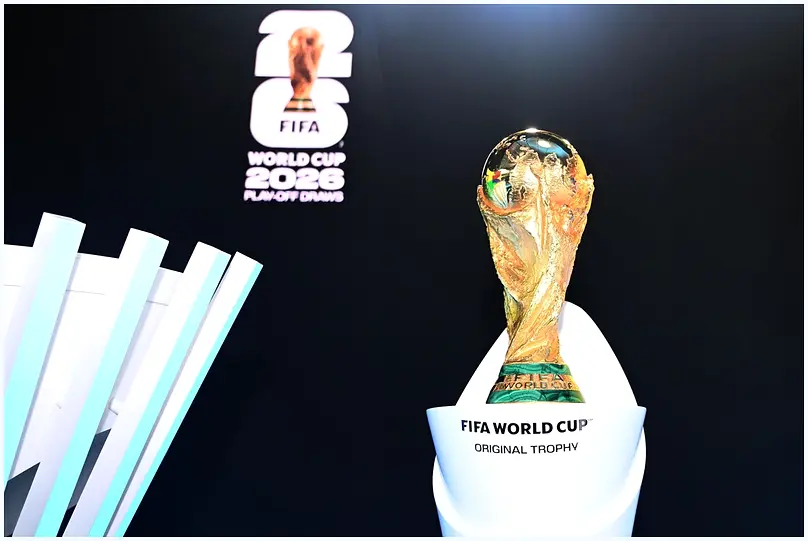
The FIFA World Cup, soccer's quadrennial spectacle, is about to get a serious growth spurt. Forget everything you thought you knew about the tournament. The 2026 edition? It's colossal. Truly.
Zurich, Switzerland, saw the ceremonial unveiling, but the real show will unfold across North America. A sprawling 104 games. Sixteen host markets spread across the United States, Canada, and Mexico. This isn't just a competition; it's an economic machine, revving up.
Local economies in cities from Vancouver to Miami, Mexico City to Boston, stand to gain. Billions in tourism. Infrastructure upgrades, some long overdue, get a forced acceleration. The broadcast rights alone? Astronomical. Fox, Telemundo, Peacock, FS1, Universo—they're all in, promising American viewers comprehensive coverage, in both English and Spanish.
The day-by-day rundown reads like a marathon. Early group stages kick off, often with multiple matches simultaneously across different time zones. Afternoon games in Toronto, late-night clashes in Los Angeles. It's a dizzying dance of logistics.
One hundred four games across sixteen markets isn't just a tournament; it's a continental conquest, a logistical marvel with untold economic implications.
Even the Round of 32, a new addition with the expanded format, promises non-stop action, pushing cities like Houston and Dallas into constant rotation. The knockout rounds, the Round of 16, then the Quarterfinals—Boston, Los Angeles, Miami, Kansas City all playing host. Each match, a fresh injection of cash, a fresh wave of fans.
And finally, the Semi-finals, in Dallas and Atlanta, before the grand finale in the New York/New Jersey metro area. An absolute feast for broadcasters and advertisers. But for whom? The local businesses, the global sponsors? Or just FIFA itself?
It makes you wonder, doesn't it? How much bigger can this global phenomenon truly get before it simply bursts at the seams? The answer, apparently, is 104 games. For now.



No comments yet. Be the first to share your thoughts!