
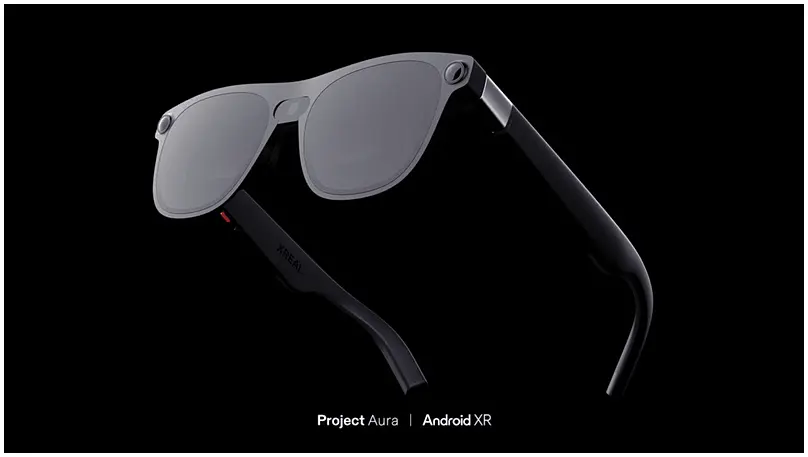
The smart glasses industry has always been Silicon Valley’s tortured dream. Imagine it: mobile computing, but without gluing your face to a phone. A lightweight device, simply worn. Science fiction fans, plentiful in tech circles, grasp this vision perfectly.
Yet, for a solid decade, the industry resembled a financial black hole. Gigantic investments vanished. Little to no profit ever materialized.
“Everybody’s losing money,” admitted Chi Xu, founder and CEO of Xreal. A longtime Google partner. I caught up with Xu at Google’s I/O conference in Mountain View last week. He was pushing Xreal’s Project Aura, their latest gamble on functional XR glasses people might actually want.
“That’s because it’s very hard, what we’re doing,” he simply stated.
For years, the problems were glaring. Bulky. Uncomfortable. Socially awkward. Software that offered negligible benefits. Now, however, insiders – Xu among them – sense a shift. They feel the business has turned a corner. An inflection point, perhaps.
That supposed inflection point owes something to Meta. Their 2023 partnership with Ray-Ban produced one of the first lines of models to actually sell significant units. A caveat, though: Meta’s Reality Labs, the division behind the glasses, still operates at a massive loss.
With form factors shrinking and software evolving, Xu believes Xreal can finally lead the space. “You need all the key pieces ready — you need the hardware ready, the operating system needs to be ready, and then you need a great user interface,” Xu insisted.
Project Aura: A Glimpse of the Future?
Xreal’s newest model, Aura, offers wired smart glasses with embedded OLED displays. High-resolution video. Right in your frames. The catch? It tethers to a “puck,” a phone-shaped mini-computer powering the whole experience. Slip it in your pocket, they suggest. A bit awkward, sure.
But in exchange for that tethered puck, users supposedly unlock a wider array of engaging experiences. An immersive Google Maps app. VR YouTube videos. A “painting app” where hand tracking conjures holographic imagery only you see. Games, also via hand tracking. Basic web surfing. More than just a novelty.
“It’s not just about watching the NBA game in a hologram type of format, you could also go to a coffee shop and do some work.”
“Whether you are following a floating recipe while cooking, setting up a private workspace at a coffee shop or on a flight, or watching a movie on a virtual big screen at home, the experience is seamless,” the company promises. Xu envisions the device not just for the casual consumer. Professionals too. This isn't just about entertainment.
Currently, the glasses are developer-only. A commercial launch is planned for later this year. Xreal is also eyeing an IPO before 2026 ends, though Xu remained tight-lipped.
In the interim, the company is focused on that elusive “turning-a-profit” thing. Xu notes rising gross margins, coupled with slashed marketing and sales costs. “Next year is the year when we could actually break even,” he claims. A bold prediction. We’ll see.


No comments yet. Be the first to share your thoughts!