
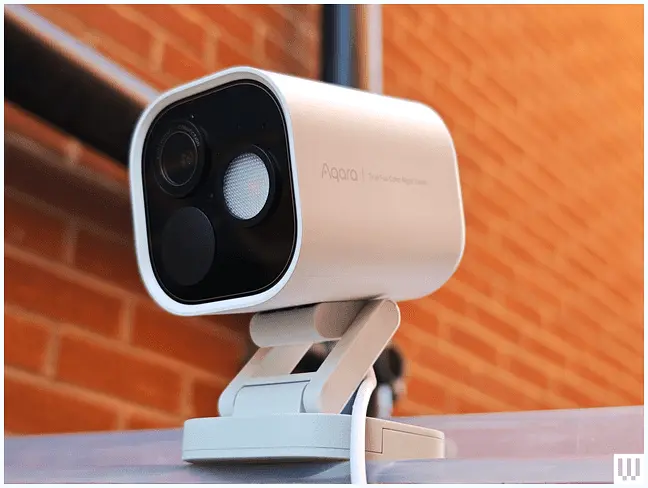
Forget those clunky, complicated security systems of yesteryear. Today's smart home surveillance is... well, smarter. Take Aqara's latest outdoor camera, a genuinely versatile piece of tech. It’s not just watching your backyard; it’s practically managing it. This gadget doubles as a Matter controller and a Thread border router, making it a central brain for your outdoor smart lighting and other devices.
It even functions as a Zigbee hub, though exclusively for Aqara's ecosystem. The video quality? Rich, clear. Its 133-degree field of view captures a broad sweep, and a large f/1.0 aperture sensor means excellent color night vision. Beyond the visuals, you get a piercing 100-decibel siren, robust two-way audio, and a surprisingly effective spotlight. And yes, the onboard AI can tell a person from a package, a car from a curious cat. Clever.
The companion app, admittedly, is a bit of a maze, packed with options like lingering and sound detection. Storage? You have options: local, NAS, or a 90-day cloud history for $5 a month ($50 annually) per camera, or $10 a month ($100 annually) for unlimited devices. Be warned, though: some prime features like event filtering, SMS alerts, and video sharing are locked behind that subscription wall. A shame, really.
For the Apple faithful, this camera makes a strong case. It’s a solid pick for HomeKit integration, assuming you've got a HomeKit hub (think HomePod Mini or Apple TV) and an iCloud storage plan. Apple's HomeKit Secure Video has its quirks; 1080p is your ceiling, but rich notifications letting you peek at video clips right from your iPhone lock screen are undeniably slick. Both versions of the camera demand wired power – USB-C for the Wi-Fi model, Ethernet for the PoE.
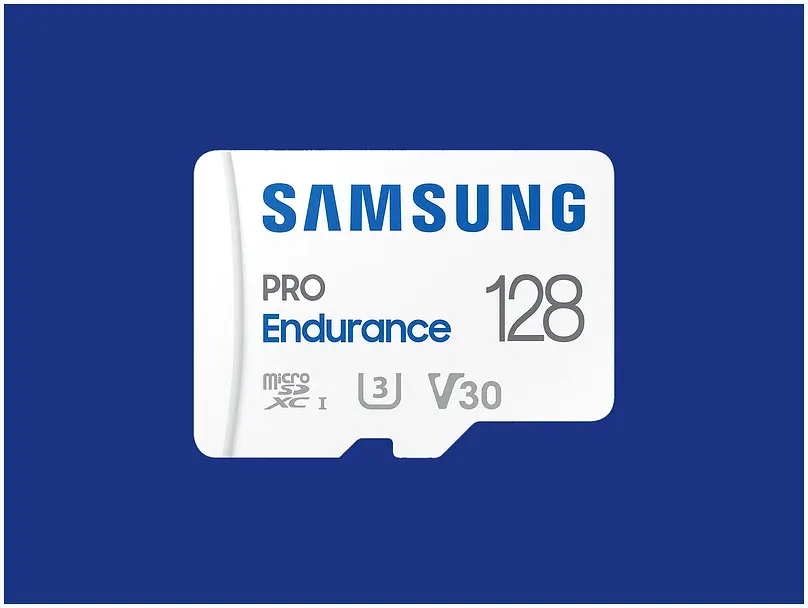
Local storage remains a critical feature for many. Not everyone wants their footage living in the cloud. Many security cameras offer this, usually via microSD cards. Some hubs even boast built-in storage or slots for hard drives. But for most, it’s all about that tiny card. Here’s what you need to know.
When picking a microSD card, speed is king. Fast read and write speeds are essential for high-quality video recording and smooth playback. Look for Class 10 cards rated U1 or U3. Before you buy, always verify the camera's supported card type, format, and maximum capacity. How much video can a 32-GB card hold? A couple of days of HD footage, typically. Continuous recording? You'll need more.
Pop the card in? Format it immediately. The camera usually prompts you, but if not, dig into the settings. Just remember, formatting wipes everything. Backup anything you want to keep, unless you enjoy digital archaeology.
Some manufacturers push their own branded microSD cards. They work, sure. But for peak reliability, I'd suggest shopping around. Keep an eye on specs; even within the same range, different card sizes can have wildly different capabilities. And a quick heads-up: memory card prices are currently in a bizarre spiral thanks to the AI chip shortage. You might want to hold off, or at least brace for sticker shock.
The Wider Lens: Competitors & Contenders
I’ve put quite a few other outdoor security cameras through their paces. Some are good, even great, but didn't quite hit the mark for top-tier recommendation. A few indoor models can even pull double duty outside.
The Eufy Eufycam C37, at $90, offers a pan-and-tilt option if the S4 is too rich for your blood. Clear 2K footage, 360-degree panning, and decent automatic subject tracking are all there. Local recording is possible with a microSD card (sold separately) or via Eufy’s HomeBase. AI detection is reasonably accurate. The detachable solar panel? A thoughtful touch for battery life. Downsides: firmware updates were a headache, and my test unit struggled with connectivity, sometimes refusing live feeds. It played nicer with a HomeBase 3.
Baseus's Security X1 Pro Outdoor Dual Camera, priced at $150, sounds impressive on paper. Dual 3K lenses, 300-degree pan, sun-tracking solar panel (a bit gimmicky, honestly), onboard AI, patrolling, and auto-tracking. Yet, it faltered in tests: motion events sometimes went undetected, connectivity dropped randomly, and live feeds often lagged. Potential, but problematic.
The Wyze Window Cam, a mere $35, offers a unique solution if exterior mounting isn’t an option. It sticks *inside* your window. The 10-foot power cord isn't pretty, but it gives a decent, glare-minimal view. At 1080p, it won't win any awards for picture quality, and you can't really angle it once mounted, so placement is key. Quick setup, local microSD recording. Handy, but niche.
TP-Link’s newer Tapo cameras have been a bit of a letdown. The C675D, a dual-lens 4K camera with auto-tracking, zoom, local recording, and a solar panel for $230, promised much. Reality was less thrilling. A 15 fps frame rate makes for blurry footage. No HDR. Connectivity issues. I’d trade 4K for better frame rates and HDR any day. While zooming in to read a distant license plate is possible, moving subjects become a smear. It's so slow, it often misses the action altogether. And paywalling snapshot notifications and smart filters on a local storage camera? Annoying. Still, the hardware for the price is impressive; it might work in a shaded corner, under eaves.
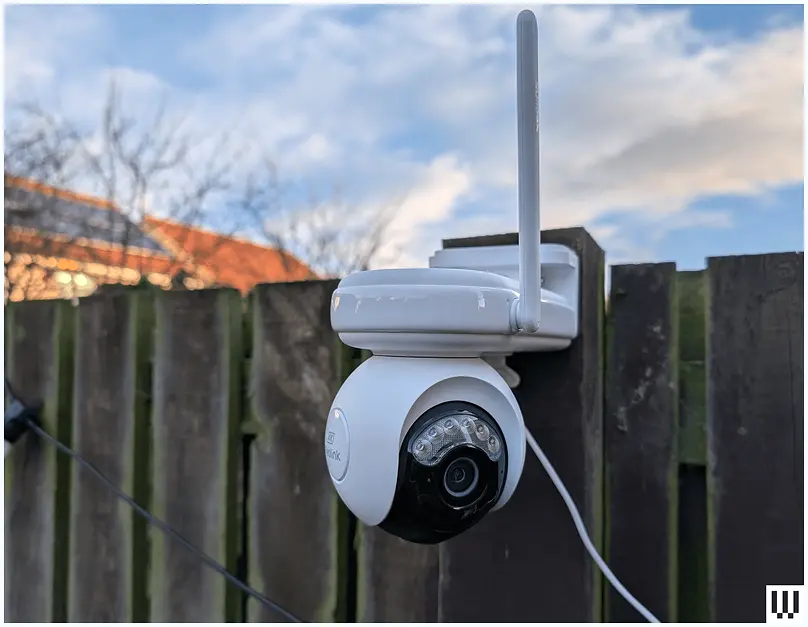
Reolink’s Altas PT Ultra, at $220, is a beast. Battery-powered 4K continuous recording, 355-degree pan, 90-degree tilt, Wi-Fi 6 support. The massive 20,000-mAh battery means it’s bulky. An optional solar panel keeps it topped up, given enough sun. Local storage to microSD or Reolink Home Hub is an option, as is cloud storage from $3.50/month. Continuous recording is low-frame-rate (5 fps by default, max 15 fps), only boosting when motion is detected, so blurring is a common issue. Ten prerecorded seconds per clip are nice, and footage is generally decent, though HDR would help prevent blown-out bright spots. Color night vision is good with a little ambient light, and a spotlight is there if you need it. Two-way audio can lag, but the live stream is usually quick, and alerts are accurate. It recognizes and tracks people, vehicles, and animals, then resets.
If you're in a Wi-Fi dead zone, the Arlo Go 2 (Battery) for $200 is your best bet. It boasts 4G LTE, supporting major US carriers. Camping, RVs, remote cabins – it's designed for off-grid surveillance. Video quality is solid at 1080p, preserving data. Two-way audio, siren, spotlight, optional local microSD storage, IP65-rated. Mine still had 39 percent battery after two months. A $60 solar panel accessory is available. It uses Arlo's excellent app with smart alerts. Alerts are swift and accurate, signal permitting. Yes, you need an Arlo Secure plan, which can get pricey. Local footage can’t be accessed remotely; it's purely a backup. Its killer feature? Wi-Fi support, automatically connecting when available. Perfect for RV nomads.
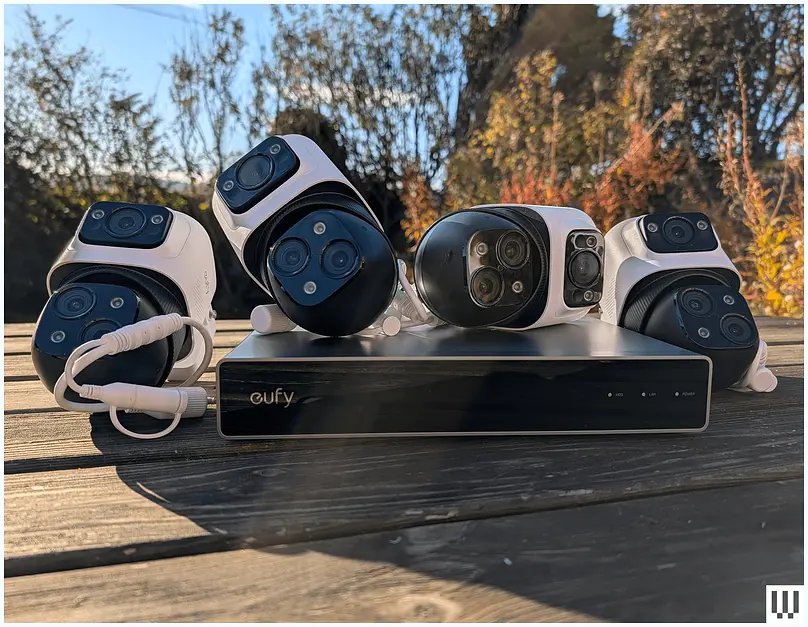
Eufy’s high-end NVR package is an impressively versatile home security system that keeps everything local, but it’s overkill for the average home (it puts Tony Montana’s setup to shame).
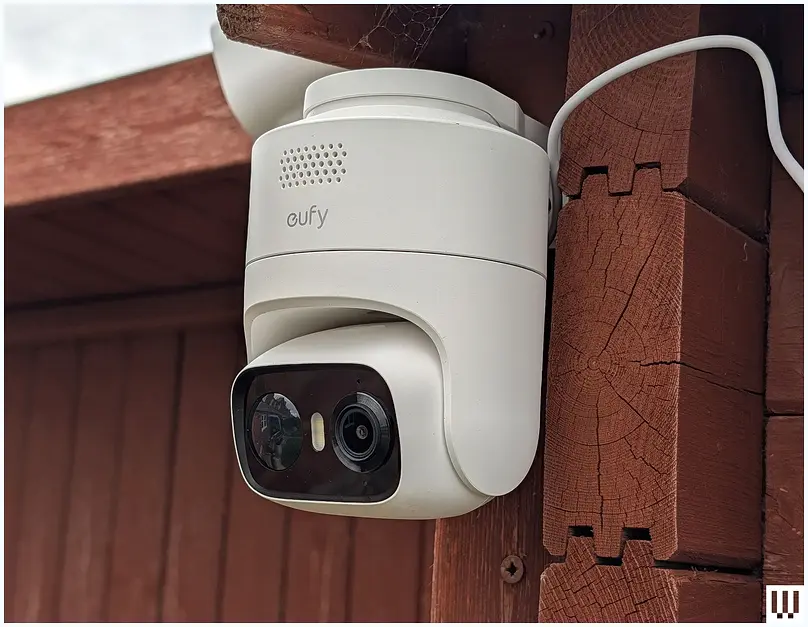
The Eufy S4 Max, a staggering $1,500, isn't for the faint of heart, or the average homeowner. This NVR package is an extensive, local home security system. You get an NVR with 2 TB of storage (expandable to 16 TB, 16 channels) and four clever, triple-lens S4 pan/tilt cameras, connecting via Ethernet. As an 8-port PoE system, a single cable handles data and power, but you’ll run separate cables to each camera. These S4 cameras are an enhanced version of their pan/tilt sibling, adding a fixed 4K camera above dual 2K pan/tilt lenses that track subjects and zoom up to 8X. The onboard AI is robust, offering accurate detection and tracking across cameras, though facial recognition sometimes stumbles. Searching footage by keywords is a handy local feature. You can mix and match camera types to adjust the price, with add-on options available.
Arlo’s Essential Pan Tilt Security Camera, at a surprisingly affordable $60, is an easy recommendation for existing Arlo users. It pans 360 degrees, tilts nearly 180, and delivers clear 2K footage. Arlo’s smart detection and reliable alerts are a plus, but you'll need a subscription to truly make it worthwhile. A single camera costs $10/month, though it makes more sense for multiple devices at $20/month for unlimited cameras (annual plans bring these down). Motion tracking is good, but I have minor longevity concerns, and it lacks an official IP rating, merely described as



No comments yet. Be the first to share your thoughts!