
California’s climate ambitions just hit a serious snag. State air regulators, after months of heated discussion, unveiled significant updates to a cornerstone climate program last Friday. The reaction? Immediate, sharp condemnation from environmental groups. They warn the changes will gut the program, undermining the very effort to slash planet-warming emissions.
The oil industry, typically at odds, also expressed dissatisfaction. The program, they contend, still creates undue obstacles to lowering energy costs in an already expensive state. A paradox, perhaps: both sides unhappy.
It’s not a new initiative. Democratic Governor Gavin Newsom and the Legislature reauthorized the state’s cap-and-trade program just last year, extending its reach through 2045. The mechanism is simple enough: it sets a declining limit, a 'cap,' on total greenhouse gas emissions for California's biggest polluters. Companies either cut their pollution, buy allowances, or invest in offset projects. Systems like it operate in Europe and Asia, with California’s linked to Quebec and Washington state.
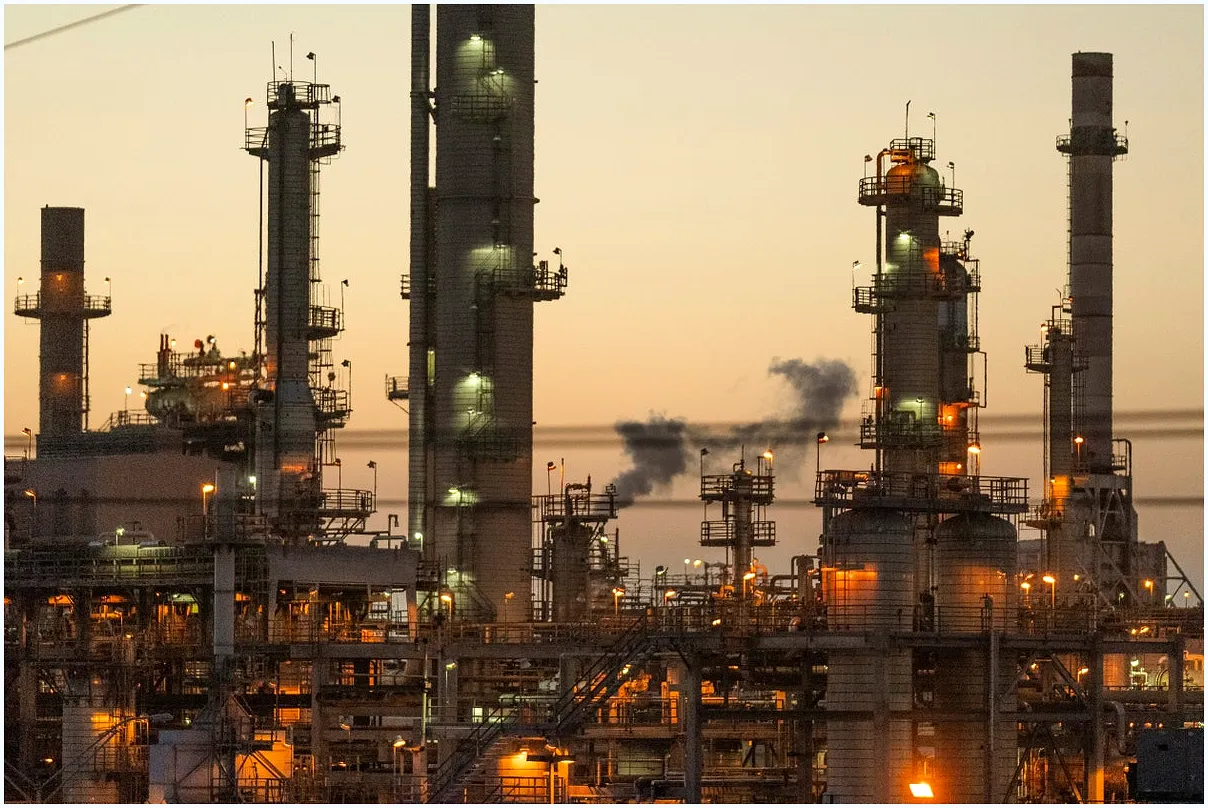
But Friday’s approved changes? Those are the flashpoint. The state will now hand out roughly $3.5 billion worth of allowances for free. Who benefits? Mostly manufacturers and oil refiners, provided they build projects to reduce their emissions. Regulators claim it’s a safeguard, a way to keep major businesses from fleeing California. Critics scoff. They argue it directly contradicts the program's intent: incentivize pollution reduction so companies spend less on allowances. Even worse, it means less money for vital climate change mitigation programs.
Lauren Sanchez, Chair of the California Air Resources Board and formerly Newsom's chief climate adviser, remains unphased. The state, she asserts, will remain a climate leader. “Moving forward shows that we can be responsive to affordability concerns, new legislative direction, while also setting a clear signal for Californians, other states and global partners that we remain committed to driving long-term investments in clean energy jobs and reducing pollution in communities,” she stated.
The Shifting Sands of Climate Policy
California law mandates aggressive emission reductions: 40% below 1990 levels by 2030, a staggering 85% by 2045. Cap and trade, supporters claim, is the vehicle to reach those targets.
Newsom previously signed laws to align the emission cap with state targets, dedicate program revenues to climate, housing, and transit, and boost carbon-removal projects. The program even got a rebranding: 'cap and invest,' emphasizing its funding role. Noble goals, perhaps. But how to achieve them? That’s been the topic of relentless board discussions and intense lobbying from both environmental groups and the oil industry. An initial proposal, focused on aligning with existing laws, morphed. Its new priority: cutting program costs.
Affordability. It’s a word that has gained significant traction for California leaders shaping climate policies. Two oil refineries closed recently. That certainly applied pressure. The state has also fought federal challenges to its climate agenda, notably President Trump's move last year to block California’s pioneering ban on new gas-powered cars by 2035. Political crosscurrents.
The newly approved updates funnel an additional $2 billion from allowance sales (2027-2030) into a program offering utility bill credits to Californians. Another $800 million is earmarked to help participating businesses manage program costs. Before these changes, approximately $4 billion annually from allowance sales fed the Greenhouse Gas Reduction Fund, supporting climate mitigation, affordable housing, and transportation.
Legislators and Newsom decide who gets what from that fund. Last year, $1 billion annually went to the state’s long-delayed high-speed rail project. Now, according to the nonpartisan Legislative Analyst's Office, these updates will likely halve annual revenues for the fund. Danny Cullenward, a climate economist and outspoken critic, points to the new incentive program for manufacturers and refiners as the primary culprit. Board staff, predictably, disagrees.
Debate Erupts, Future Unclear
This week’s deliberations, stretching into a second day, featured hours of public comment. Climate advocates, legal experts, and fossil fuel executives all weighed in. The core arguments: impact on pollution, impact on pocketbooks. Many urged a delay, hoping for regulations more aligned with state priorities.
Environmentalists and several Democratic lawmakers insist these changes actively hinder the state’s emissions reduction efforts. Cullenward called the new incentive program for manufacturers and refiners untested, lacking sufficient safeguards against abuse.
“The state is not on track for its climate goals. Cutting our climate funding does not help address consumer cost concerns, and it doesn’t accelerate emission reductions.”
The board did agree Friday to delay issuing allowances from the new incentive program. The agency’s executive officer will now take a closer look, reporting back with any proposed amendments. A small concession, perhaps.
Michelle Pariset, legislative affairs director for Public Advocates, a social justice law firm, warns that cuts to the Greenhouse Gas Reduction Fund will deliver a devastating blow to crucial community programs statewide. “These are investments that determine whether a student can afford to take transit to school, whether a senior can get to a doctor’s appointment, whether a family can live near reliable transportation instead of enduring long commutes and higher costs,” Pariset explained.
Jodie Muller, president and CEO of the Western States Petroleum Association, offered a contrasting view. The updates move the state in the right direction, she conceded, but fail to adequately address future energy affordability. “California refineries need long-term certainty to make the investments that keep energy reliable and affordable for consumers –- and right now, that certainty stops at 2030,” she argued.
Rock Zierman, CEO of the California Independent Petroleum Association, predicts increased reliance on oil imports, leading to “high GHG emissions, fewer jobs, more expensive gasoline, and lower tax revenue for schools, police, fire, and parks.”
California, a self-proclaimed climate leader, now finds itself at a crossroads, balancing ambitious environmental goals with persistent economic pressures. Which path will ultimately prevail? No one truly knows.



No comments yet. Be the first to share your thoughts!