
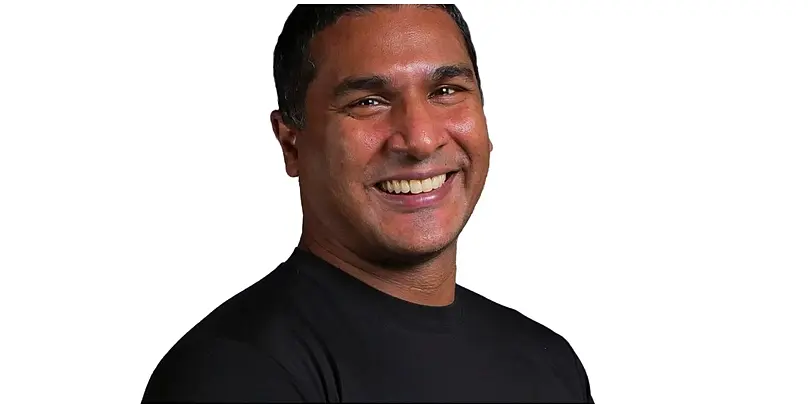
Forget your human delivery driver for a moment. Grab, the Southeast Asian tech giant, is pushing hard into a future where robots might just be as integral to its operations as the people who founded the company. And that future isn't some distant sci-fi fantasy; it's already rolling out.
Meet Carri. This isn't just a concept. Carri, a delivery bot, recently began navigating the paths of Singapore's Punggol district, a locale fast becoming a proving ground for robotic services. But Carri isn't exactly new to the Grab family. She's been a fixture at Grab's Singapore headquarters, according to Suthen Paradatheth, the company's chief technology officer.
“We are living in a world where humans who don’t embrace AI will very likely be displaced. This is not a dystopian future, folks, it is a reality we must confront today.”
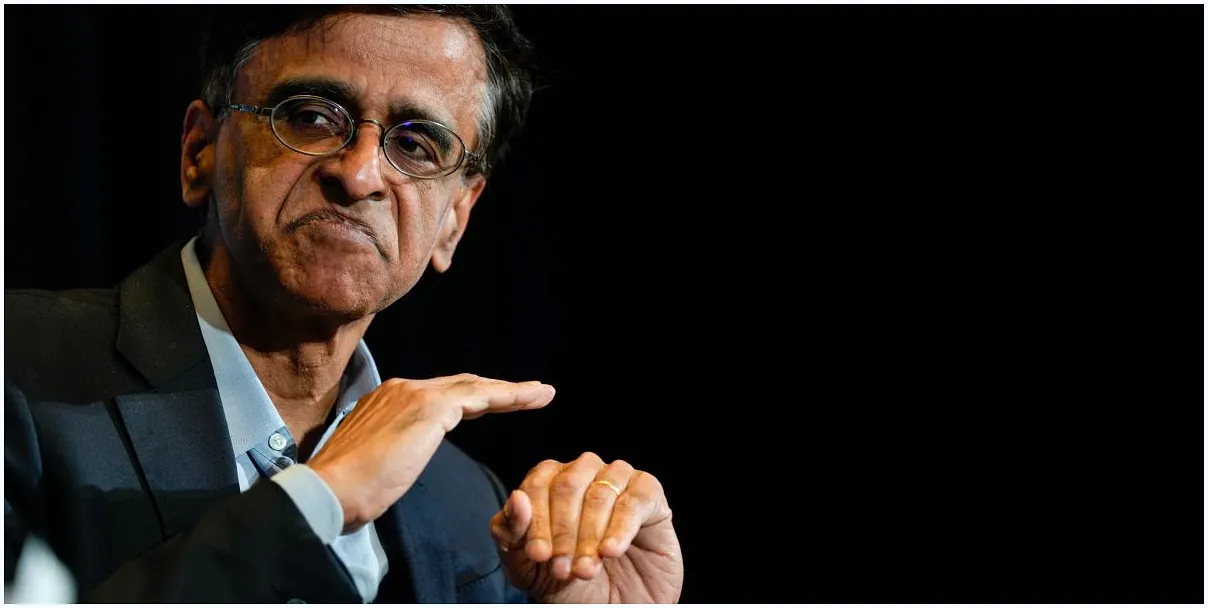
Paradatheth, a veteran who's been with Grab since its days as MyTeksi, champions an "1+n strategy" for their robot fleet. What does that mean? They aren't just using their own creations. Walk into the Grab office and you'll spot bots from other companies too. A competitive edge, perhaps. Or simply pragmatic experimentation.
His journey with the company is a story of Silicon Valley-esque growth. Paradatheth joined what was then a Malaysian ride-hailing startup, MyTeksi, as a part-time consultant. The mission? Make Kuala Lumpur taxis safer. He recalls a poignant anecdote: co-founder Tan Hooi Ling would call her mother nightly while in a taxi, a silent signal for safety. His own sister had similar anxieties. This wasn't just a business opportunity; it was a deeply personal one.
He went full-time in 2015, moving with the company to Singapore, where it rebranded to Grab. From chief of staff to head of R&D engineering, he climbed, becoming CTO in 2022. Many leaders, he notes, have similar trajectories, rising from early intern days to senior positions. A loyalty program, if you will, but for talent.
Grab's financial ascent is undeniable. From a modest $469 million in 2020, revenue soared to $2.8 billion last year. The secret? Global smartphone adoption, Paradatheth says. Back in 2012, when few had them, Grab even equipped its drivers with basic Samsung Galaxy Y phones, allowing them to pay through installments or a cut of earnings. A clever move in emerging markets where economic constraints are a daily reality.
Beyond the Ride: Grab's AI Ambition
The Grab app today is a sprawling ecosystem. Ride-hailing, yes. But also digital payments, insurance, and deliveries. They even built their own mapping service, GrabMaps, ditching third-party providers like Google. Why? Those "small side roads" crucial for motorcycle taxis simply weren't visible. A detail, but a critical one for market dominance.
Over a thousand AI models now hum beneath Grab's platforms. The guiding principle? “AI first, with heart.” Paradatheth cites their AI-powered translation model—90% accurate, even capturing "SMS speak" and informal contractions for Southeast Asia's myriad languages. A necessity for a region rich in linguistic diversity, attracting tourists from across Asia.
Grab isn't just deploying AI; it's cultivating it. The company plans to launch a program in Singapore, aiming to boost AI adoption across 10,000 small- and medium-sized enterprises in food, e-commerce, and retail. It’s an investment in their own future, certainly, but also in the broader digital economy.
But this headlong rush into automation doesn’t sit well with everyone. Especially those whose livelihoods depend on the platform. Grab is heavily invested in autonomous vehicles, even launching a robobus. The implication for human drivers is stark, if unspoken by Paradatheth.
Yet, CEO Anthony Tan has been blunt. "We are living in a world where humans who don’t embrace AI will very likely be displaced. This is not a dystopian future, folks, it is a reality we must confront today," he declared at a Jakarta event. A jarring note against the "complementary" rhetoric.
Paradatheth, however, maintains that humans remain central. Autonomous vehicles and delivery robots, he insists, aren't replacements. They're partners. Complementary to what drivers already do. A fine line to walk, particularly when the CEO's words loom large.
Grab’s goal? To be a global leader in "urban embodied AI." To optimize everything. To make city life "more enjoyable and fun." A grand vision. But one can’t help but wonder: enjoyable and fun for whom, precisely, as the robots multiply?

No comments yet. Be the first to share your thoughts!