
Britain’s high-speed rail ambition, HS2, appears to be collapsing under the weight of its own extravagant design and ever-shifting political currents. A forthcoming review, led by former National Security Adviser Sir Stephen Lovegrove, is expected to lay bare the project’s foundational flaws, pointing fingers squarely at an obsession with breakneck speeds and relentless political interference.
This isn't new. The Lovegrove report, due this week, reportedly echoes prior criticisms, affirming HS2's "original sins" included spiraling costs and constantly changing government priorities. What started as a transformative vision has morphed into a symbol of public sector dysfunction.
The review also reportedly highlights the "gold-plating" of the entire high-speed concept. A bespoke, highly engineered design. Excessive, some might say. Costly, for certain.
Transport Secretary Heidi Alexander is attempting to bring the runaway train back to earth, or at least back to the budget. She's ordered a "reset" for HS2, a desperate measure to salvage what’s left of the project. Part of that? Lowering top speeds to save staggering sums.
Expect no cheer this week. Alexander is poised to confirm the project won't hit its already distant 2033 operational target. The updated price tag? Widely expected to soar well past £100 billion. A chilling figure.
The Shrinking Vision of Grandeur
HS2’s original purpose was simple: inject much-needed capacity into the UK rail network. The initial blueprint, laid out in 2012, envisioned a sweeping line from London to Birmingham, then branching off to Leeds and Manchester. A bold plan. Too bold, perhaps.
The grand ambition began to fray. In 2021, the eastern leg, destined for Leeds, was abruptly canceled. Two years later, the Manchester-Birmingham section suffered the same fate. What remains? A truncated, often ridiculed route.
"After 'a litany of failure,' the government is finally 'drawing a line in the sand' on HS2, but one has to wonder if it's already too late."
Alexander, in June 2025, made her frustrations clear. She declared "a litany of failure," vowing to "draw a line in the sand" and somehow get HS2 delivered. Mark Wild, CEO of HS2 Ltd, has been handed the unenviable task of orchestrating this "comprehensive reset."
The train was designed to hit 360 km/h (224 mph). Faster than any conventional railway on the planet. Most UK high-speed trains clock in around 220 km/h, while HS1, the Channel Tunnel link, maxes out at 300 km/h. Was the extra speed truly worth the monumental cost?
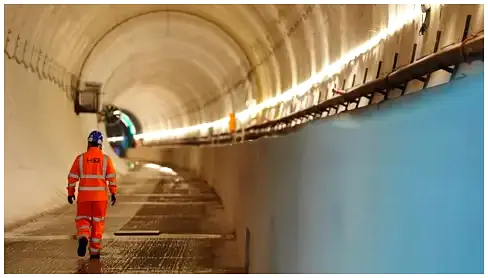
Despite the controversies, the project is in its peak construction phase. Some significant milestones have been met: the 10-mile Chilterns tunnel, for instance. The Colne Valley viaduct. Visible progress, yes. But progress on a diminishing dream.
To get the beleaguered project back on schedule, HS2 Ltd has indicated it will slow or even pause work on less critical sections, like the line towards Handsacre. The focus shifts to areas that have lagged behind: Buckinghamshire, Oxfordshire, Northamptonshire. A grim reallocation of resources, reflecting a desperate fight to contain the damage.
The promise of high-speed rail was once exhilarating. Now, it feels less like a future vision and more like a perpetually delayed, outrageously expensive cautionary tale. What will be left when the dust finally settles?



No comments yet. Be the first to share your thoughts!