
Wes Streeting, for now, holds his fire on a direct leadership challenge against Keir Starmer. But the gauntlet has been thrown nonetheless: a loud call for a "battle of ideas" to chart the government's economic future. Inside Labour's sprawling tent, four distinct, often overlapping, camps are already clashing. A flurry of policy documents, a veritable intellectual skirmish, has emerged from these factions, offering a menu for any would-be leader.
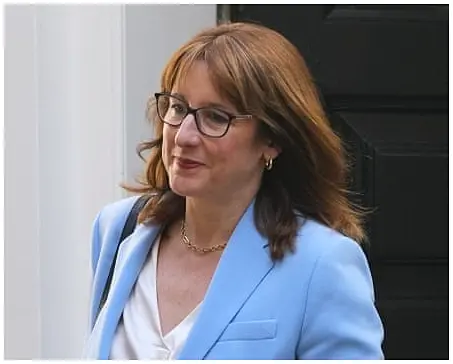
Rachel Reeves, the shadow chancellor, wasted no time. Thursday's unexpected 0.6% Q1 growth data became her immediate talking point. Proof, she insists, of "the right plan."
Her blueprint, detailed in a Mais lecture earlier this year, isn't shy. It champions AI opportunities, advocates for more devolved tax revenues to metro mayors, and pushes for a tighter trade relationship with the European Union. Fiscal discipline? It's there, but with a twist. Reeves has recalibrated the rules, allowing significant public borrowing for investment. Day-to-day spending, however, must balance with tax revenues. To fund this, higher earners and businesses have faced the brunt of new levies. Expect more on shielding consumers from inflationary shocks soon.
Reeves, it should be noted, famously derided Donald Trump's "war on Iran" as "folly." This shapes her current thinking: household support, she maintains, must be laser-focused on the less well-off. No broad, costly handouts à la Liz Truss in 2022. Her allies, moreover, aren't subtle. They whisper that a change at Number 11 could spook bond markets, sending borrowing costs soaring.
Then there's the Growth Group. Chaired by Milton Keynes North MP Chris Curtis, a man who, just this week, crowned Streeting a "once in a generation talent," the group has conveniently dropped its own policy prospectus. "An Honest Day: a new economic settlement for Britain." Grand title. Its core contention? Too much wealth in the UK sticks to people simply for holding assets. This, they argue, is not healthy. It's not productive.
Echoing the "abundance" push from US figures like Ezra Klein and Derek Thompson, they blame state failures – restrictive planning, expensive energy policies – for this "rationing" of assets. Their solution? Ease the tax burden on workers. Cut the cost of basics. Equalize tax rates on capital gains and income, completing a shift Reeves already began. That extra revenue? Fund a 2p cut in employee national insurance.
Deregulation, they say, is needed across many markets. But the state shouldn't be complicit in "fake market capitalism" for essential services. Water, for example. Specifically, long-beleaguered Thames Water. The Growth Group believes it should collapse into government control.
The message should be unmistakable: the public is not the backstop for owners who treated essential infrastructure as a financial chip in a casino where they never lose. In essential services, ownership comes with obligations.
Other ideas include more power for mayoralties and reining in the Treasury. The latter, they claim, acts as "the unaccountable veto‐player over the elected programme." A bold assertion.
Meanwhile, Labour's soft-left Tribune Group, publishing in Renewal, shares a similar economic diagnosis. Louise Haigh, former transport secretary, and backbencher Yuan Yang, among others, argue that "hard work no longer guarantees rising living standards" for too many. Growth, they assert, has been "too weak, too uneven, and too often driven by asset inflation rather than productive investment." Sounds familiar.
Their emphasis differs. More space for borrowing to invest. Development corporations – think Oxford-Cambridge corridor – and planned new towns could borrow directly. Haigh also floats a 10-year horizon for fiscal rules, accounting for long-term investment benefits. But she's cautious. Only when the current budget is balanced, she insists. No spooking bond markets, not yet.
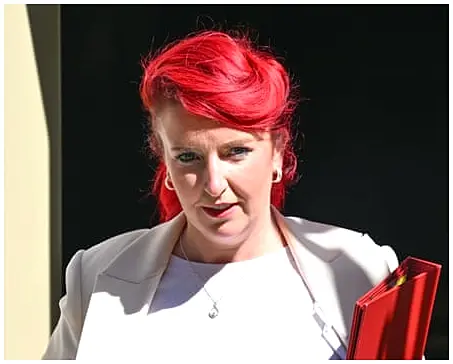
Haigh's tax reforms are more radical than anything the Growth Group has cooked up. Scrapping stamp duty. Cutting council tax in favor of a new property and land tax. Closing inheritance tax loopholes. Moving capital gains tax rates closer to income tax. Serious stuff.
Yang, for her part, points to depressed consumer demand as a major drag on growth. Her fix? Slash household costs. Deeper than Reeves' moves last year. Reforming energy pricing to cut bills for poorer households. Capping bus fares. Cracking down on "rip-off property management fees" for leaseholders. These ideas would likely appeal to any potential soft-left challenger: Angela Rayner, Andy Burnham, Ed Miliband.
A constellation of left-wing thinktanks – the New Economics Foundation, the Joseph Rowntree Foundation – also weigh in with their own radical proposals, hoping to sway the discourse. Rent controls, for example, from the JRF just this week.
Mat Lawrence, director of Common Wealth, penned a lengthy piece in the New Statesman this week. His topic: "Manchesterism." What lessons can the UK learn from Burnham's mayoralty? A preview of a report from the Burnham-aligned Mainstream campaign group. Its central tenet: a "Productive State." More direct action. Public ownership. Building social housing. Mainstream agrees with the Growth Group on Thames Water, advocating for government-run special administration. Like Tribune, it calls for public corporations to borrow directly for investment.
But this is part of a larger ambition. The state, Lawrence argues, must step in where the private sector fails. He quotes Keynes, calling for a "somewhat comprehensive socialisation of investment."
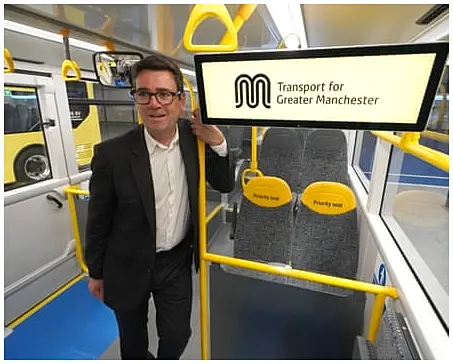
Burnham's transport reforms? A prime example, Lawrence says. "The Bee Network's restoration of bus routes in Manchester that private operators had abandoned is the practical demonstration: where private calculation withdraws, public provision steps in and serves." More passengers, fewer costs. The blueprint, he suggests, applies beyond buses: energy, water, housing, care. If the private sector isn't meeting public policy goals, the state must. Expect Burnham's economic pitch to also include a bolder stance on EU negotiations. Many Labour MPs want to see the government flex its manifesto constraints, seek a closer deal. The stage is set. The arguments are sharpened. Who will seize the moment?


No comments yet. Be the first to share your thoughts!