
The era of artificial intelligence is here. And it's poised to extract a premium from your pocket. Specifically, on your next smartphone, gaming console, or even your home router.
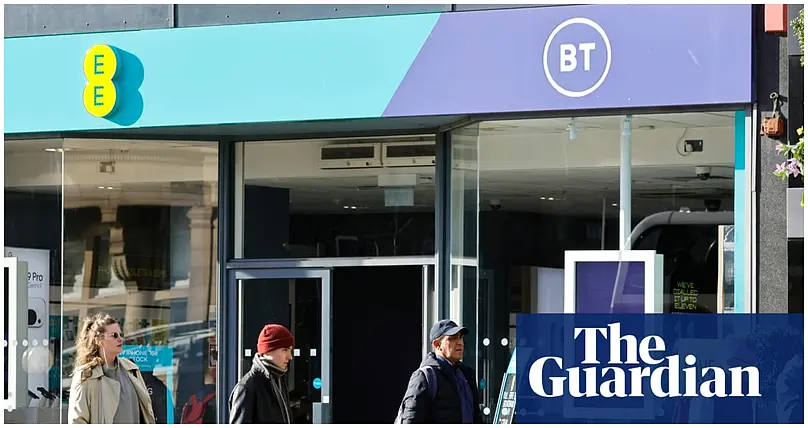
BT, the UK telecoms giant, recently sounded the alarm. Its chief executive, Allison Kirkby, anticipates significant shortages in the semiconductor chip market. The culprit? AI's voracious demand. Technology companies are gobbling up memory chips, the very building blocks of modern electronics, to power the burgeoning data centers that fuel the AI revolution.
"It's common knowledge that the chip market is under demand by the rise in AI," Kirkby stated, acknowledging the industry-wide scramble. Suppliers are working overtime, but the scale of demand is unprecedented.
This isn't some distant threat. The ripple effects are already being felt. While price increases will primarily hit smartphone handsets, essential home tech like routers aren't immune. Memory chips, fundamental to almost every electronic device you own, are also key components in graphics cards and a host of other critical hardware.
Kirkby, ever the pragmatist, noted, "I'm sure the industry with its partners will do the best it can to minimise the impact on pricing in the marketplace." A valiant effort, perhaps. But reality bites. "With chip shortages everywhere, that will put pressure on pricing in certain parts of the market, not just in our sector, going forward."
Premium handset manufacturers, like Apple, haven't yet hiked prices on their newest models. But the expectation? Those higher costs will inevitably be passed directly to consumers. Apple, Kirkby suggested, will no doubt try to "minimise any supply chain weaknesses." Try being the operative word.
Consider the new iPhone 17, starting at £799, or the Pro model at £1,099. Google's Pixel 10 Pro fetches around £1,199. These figures could be just the beginning.
The AI Gold Rush & Your Gadgets
It's not theoretical. Major players like Microsoft, Samsung, and Dell have already begun adjusting prices. They've also quietly pulled cheaper models from the market, streamlining their offerings towards higher margins. Gaming consoles? Same story. Sony recently hiked the PlayStation 5's price by $100 in the US. Nintendo confirmed an increase for its Switch 2. The standard PS5 now sits at $649.99. Nintendo's Switch 2 will jump from $449.99 to $499.99 this September.
The global investment spree in AI has led to a huge expansion of server farms, enormous banks of computers filled with high-end memory chips. These requirements are not only consuming the world’s current supply of chips, but also production capacity for the coming years, creating shortages and driving up the cost of electronics.
That quote, a stark analysis from industry observers, paints a clear picture. AI isn't just a trend; it's a global infrastructure project, consuming silicon at an astonishing rate. And everyone else pays the tab.
BT, for its part, isn't immune to economic pressures. The company aims to trim another £700 million in costs over the next four years, extending its restructuring program until March 2030. Full-year earnings remain flat, revenues are falling. Broadband customer losses totaled 825,000 this past year. Even with mobile customer churn at an "all-time low," the broader picture is one of adaptation in a turbulent market.
The message is clear: the AI boom is here. And its impact on the electronics you rely on? Just getting started.



No comments yet. Be the first to share your thoughts!