
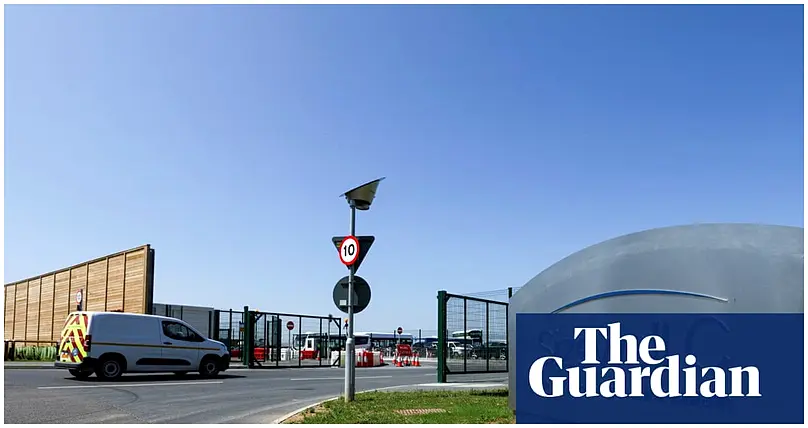
A colossal £38 billion nuclear gamble in Suffolk. That’s Sizewell C. And according to the UK government’s own spending watchdog, the National Audit Office (NAO), its true cost remains shrouded in “significant uncertainty.” More troubling? The supposed benefits for British households might not even outstrip the investment until at least 2064.
The NAO isn't pulling punches. While potential gains from the Sizewell C plant are acknowledged as considerable, they're also speculative. The risks, however, are stark. “Immediate, substantial and borne by the public,” the report warns.
Government officials laud the reactor. It promises enough low-carbon electricity for six million homes by the late 2030s. A projected £2 billion annual saving to the grid, compared to other green tech. Lofty claims. But the reality for everyday households? Their contributions could easily eclipse those savings for half of the plant's 60-year lifespan. And that's if everything goes to plan. Cost overruns? Delays? The break-even point could recede further into the distant future.
Sir Geoffrey Clifton-Brown, who chairs the public accounts committee overseeing the NAO, offered a sobering assessment. “Sizewell C is a project of exceptional scale, complexity and significance for taxpayers.” He cited historical precedent. Other nuclear projects, both domestically and abroad, have proven notoriously vulnerable to escalating costs and prolonged timelines.
The Public Pays Now
This isn't some distant, abstract investment. Households are already footing part of the bill for Sizewell C. Your energy statement? It’s likely contributing. This new financial model, known as a regulated asset base, marks a significant departure. Unlike Hinkley Point C, which only starts earning guaranteed revenues once it generates power, Sizewell C collects money upfront.
The risks surrounding the project “could easily turn Sizewell C into a financial disaster” while the funding model meant its investors were “the only ones who can’t lose.”
Critics, like the campaign group Stop Sizewell C, are furious. They argue this model shifts the entire financial risk onto the public. Delays mean consumers pay for power they aren't receiving, for longer than anyone ever imagined. Investors, meanwhile, are insulated. A tidy arrangement for some.
Sizewell C’s chief executive, Nigel Cann, defends the project. He calls the household contributions an “investment in lower long-term electricity costs.” It will, he insists, “deliver value to consumers and to the country for the rest of this century.” He points to thousands of jobs created, £5 billion already spent with UK suppliers. A familiar refrain. All major infrastructure projects, he notes, involve uncertainty. Standard stuff.
The government's position is clear: large-scale nuclear power is the only escape. A way off the



No comments yet. Be the first to share your thoughts!