
The government's latest fiscal pronouncements arrived this week, packaged rather ambitiously as 'Great British Summer Savings.' Sounds suspiciously like a discount furniture sale, doesn't it? A branding exercise, certainly. But beneath the catchy slogan lies a complex web of economic decisions.
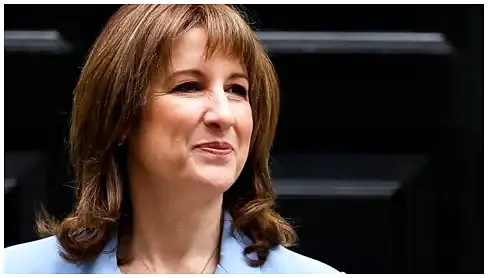
Chancellor Jeremy Hunt, undoubtedly under immense pressure, rolled out a series of measures. Across the aisle, Shadow Chancellor Rachel Reeves continues her campaign to convince a weary public she truly grasps their plight. Because for all the political noise and partisan squabbling, the cost of living remains the undisputed heavyweight champion of household concerns.
Ministers, it seems, are attempting to project an image of steady progress. 'Cracking on,' as they say. Delivering policies. Hoping, desperately, to offer some semblance of relief, rather than descend into internal chaos.
While much of Reeves' statement had been telegraphed, one particular element slipped under the radar. Unbriefed. Unleaked. A genuine surprise: a cut in VAT on summer attractions. From a hefty 20% down to a more palatable 5%. For the next couple of months. A bona fide rabbit out of the hat, alongside the previously hinted-at fuel duty shifts, assurances on jet fuel for holidaymakers, and free bus travel for children in England this August.
Conspicuously absent from today's announcements? Any sweeping intervention to tackle energy bills. Not a peep. The official rationale points to lower summer bills. A pragmatic focus, they claim, on contingency planning for the harsher winter ahead.
But a deeper conviction runs through Whitehall. A stark belief that the vast, untargeted aid packages of yesteryear—Liz Truss’s energy bill cap, for example—are simply unaffordable. Irresponsible, even, given the profound impact such schemes had on the public purse.
"A massive untargeted bung would cost people in different ways," one government figure candidly admitted. A clear signal: the era of boundless, universal state aid is unequivocally over.
So, any forthcoming winter assistance will be targeted. But who, exactly, will be the recipients? And what level of support can they expect? Those details remain frustratingly elusive. "Who knows where we will be in October?" has become an unofficial government mantra. A chilling uncertainty hangs heavy.
This uncertainty isn't merely about global supply lines or shifting geopolitical currents. It stretches into the domestic sphere too. Not least, who might even hold the Chancellor’s briefcase by then.
It forces a broader, more uncomfortable question: about the very role of government. Its scope to intervene. Have years of unprecedented economic shocks—the pandemic's furlough schemes, a prime example—left us with unrealistic expectations? A collective hunger for colossal state action?
More modest interventions, in this light, can feel laughably puny. Ministers are trapped. They juggle the fiscal scars of past, massive interventions with the very real, persistent pain of families struggling to make ends meet. A brutal balancing act. Will their 'Summer Savings' provide any real, lasting relief? Or merely a fleeting, sun-drenched distraction from the colder, far more challenging months to come?
No comments yet. Be the first to share your thoughts!