
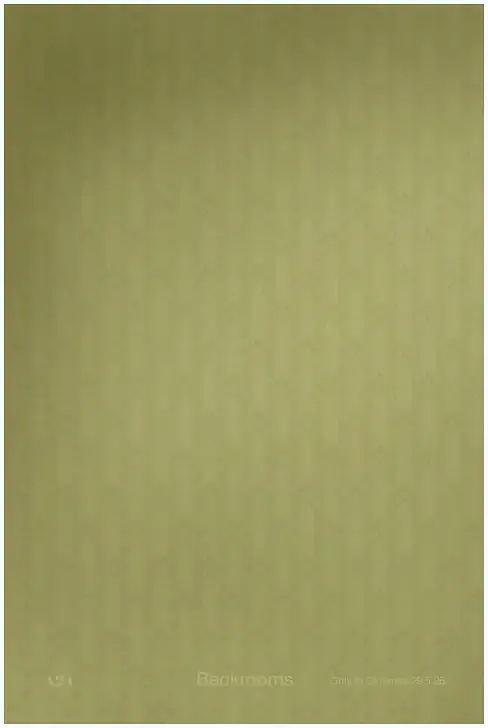
A movie poster depicting a stark, mono-yellow expanse. It’s not just wallpaper. For millions, it’s an instant jolt of dread.
This is the latest from Hollywood’s horror engine, Backrooms, and it understands its demographic. This isn't about jump scares or A-list names. This is for those drawn to a whispered, insidious terror.
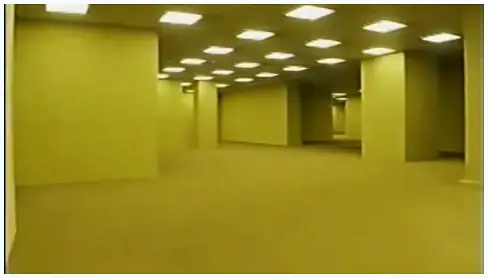
What are the Backrooms? Picture disturbing, seemingly endless abandoned spaces. An empty office. A forgotten hallway. Unsettling, in-between zones. Liminal spaces, as the experts call them.
The concept materialized back in 2019. Anonymous users on the message board 4chan were challenged: "post disquieting images that just feel 'off'."
One user delivered. An image of a deserted office, replete with mustard yellow wallpaper and the hum of fluorescent lights. The accompanying text was chilling. It spoke of "nocliping out of reality" into a domain of "old moist carpet," "mono-yellow madness," and "fluorescent lights at maximum hum-buzz." Millions of empty, segmented rooms. Trapped. And then, the kicker: "God save you if you hear something wandering around nearby, because it sure as hell has heard you."
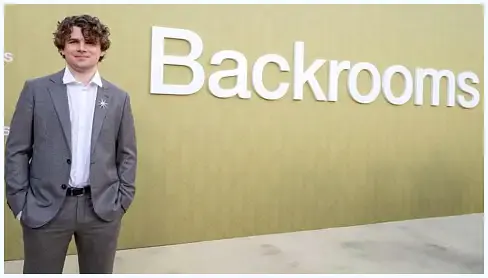
This bizarre seed blossomed into a YouTube phenomenon. Creator Kane Parsons, then merely 16, used CGI program Blender to construct these digital hellscapes on a shoestring budget. His mini-series has since amassed over 200 million views.
The viral sensation proved irresistible to Hollywood. Studio powerhouse A24, renowned for its genre-bending horror like the Oscar-nominated The Substance, tapped Parsons. Now 20, he’s helmed the film adaptation, which premiered Friday.
Parsons, A24’s youngest director to date, offers a grim piece of wisdom for Backrooms survival: "Make peace with it before anything else, because I don't like to give false optimism."
His 2023 mandate was clear: drag this isolating, digital purgatory onto the big screen. Retain the unsettling spirit of his YouTube series. He wanted "real physicality," something distinct from the web shorts.
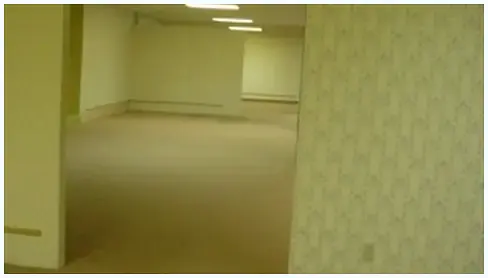
How did they achieve it? By constructing a sprawling 30,000 sq ft set, faithfully based on his original Blender designs. It echoes his first viral YouTube video, "Found Footage" – an 80-million-view hit featuring shaky '90s camcorder footage of that eerie, yellow office block. Parsons suggests this monumental effort allows audiences to "buy into the characters to a greater degree."
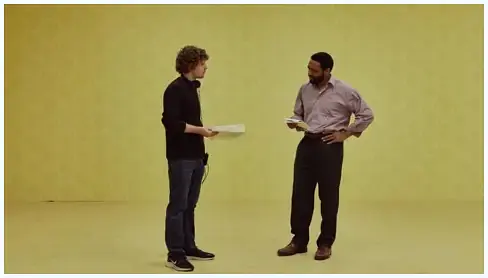
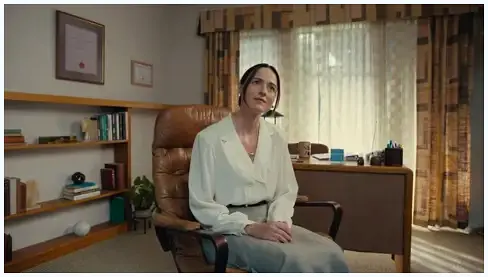
A24’s adaptation, penned by Will Soodik, extends the Backrooms concept to probe mental health. Oscar nominee Chiwetel Ejiofor stars as Clark, a furniture salesman reeling from a broken marriage. As his therapy sessions with Mary, played by Renate Reinsve, intensify, Clark stumbles upon a portal to the Backrooms within his store. A space that preys on their deepest, unresolved traumas.
"When spaces start blending together, the way we remember blends too."
The film’s big-screen appeal mirrors a peculiar online anxiety: the liminal space. Meredith Banasiak, a neuroscience and architecture expert, explains that hallways and doorways often trigger this unease. It’s the “doorway effect,” she says, confusing our brains. The Backrooms takes this to an extreme, a physical manifestation of memories "dissolving into themselves." As Clark warns Mary in the film: "The more times [the Backrooms] remembers something, the less it does."
The Backrooms boasts a Reddit forum with over 350,000 subscribers. Moderators there describe something "deeply existential" about the concept. It's not about monsters, they argue. It’s "more from the uncertainty of what else might already exist in the space with you."
TikTok? Overflowing with Backrooms-themed clips. They've cumulatively racked up 30 billion views. It’s a testament to this '90s-esque landscape’s pull on Gen Z.
There's a gaming crossover too. A free Backrooms survival title on Steam. Similar experiences proliferate on Roblox.
Internet researcher Gunseli Yalcinkaya speculates on its allure. A mournful nostalgia for pre-internet spaces, perhaps. The isolating echo of the Covid pandemic. She believes it captures the disquiet of youth today. "Reality is constantly being mediated through screens – there's already a sense that reality is glitching, nothing feels real anymore."
The online trailer for Backrooms quickly became one of A24’s most-viewed uploads, hitting 31 million. The burning question, always: does online fever translate into offline ticket sales?
Hollywood executives are aggressively scouting internet-native culture. Not just for audiences, but for filmmakers like Parsons. Chris White, an executive producer for Backrooms, discovered Parsons' work after his teenage son insisted he watch it. Another internet-native director, 26-year-old Curry Barker, also saw his horror film Obsession hit cinemas this month after a similar digital breakthrough.
For studios, these new voices arrive with "preset audiences" – a critical advantage as cinema grapples with the streaming age. Early projections for Backrooms are "really promising," according to sources. It’s expected to comfortably surpass its $10m budget. "It feels like an event in the way that few movies are able to reach." It has an undeniable "appeal as a piece of internet-native IP to the audience."
Parsons, for his part, tires of the media’s fascination with his age. He worried his relative inexperience might affect perception, but on set, it "never came up." "Almost immediately it was just us, in a vacuum, talking about the project… I like to think I made up for any lack of experience by being completely obsessive."
Parsons, and perhaps Hollywood itself, has found an unsettlingly vast space to explore in The Backrooms. Escape? Don’t count on it.

No comments yet. Be the first to share your thoughts!