
England's resident doctors are gearing up for their 16th strike. A staggering number. It's a prolonged, bitter standoff over pay and working conditions, now reignited by the new Health Secretary's firm stance.
Next month, from 7 AM on Monday, June 15th, until Friday, June 19th, at 6:59 AM, medical services across the NHS will face significant disruption. The four-day walkout, announced by the British Medical Association (BMA), comes with a stark warning: another stoppage looms in July if no substantial progress materializes.
This 96-hour action follows 15 previous strikes since March 2023. Hospitals will once again scramble. Tens of thousands of vital diagnostic tests, outpatient appointments, and crucial operations will inevitably be postponed.
At the heart of the BMA's demands lies a singular goal: a pay increase to offset a claimed 26% real-terms erosion of their salaries since 2008-09. England's 75,000 resident doctors, including the 55,000 represented by the BMA, also advocate for a massive expansion in training places for medical specialties, addressing a perceived career bottleneck.
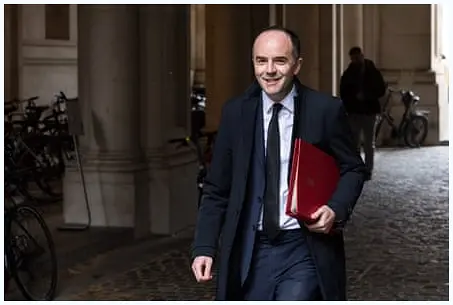
Yet, the hope for a swift resolution seems more distant than ever. James Murray, who recently stepped into the Health Secretary role, replacing Wes Streeting on May 14th, wasted no time dismissing the doctors' demands.
"I was clear with the BMA that after a 33.4% pay rise for resident doctors over the last four years – the highest anywhere across the public sector – the BMA’s demands for further substantial pay increases this year are unrealistic, unaffordable, and unsustainable."
Murray expressed disappointment, accusing the BMA of refusing further discussions and rushing into "unnecessary and unreasonable" strike action. "These are simply not grounds for yet more strike action, which patients do not support, puts further pressure on other staff and costs the NHS hundreds of millions of pounds," he stated following a meeting with BMA representatives.
The financial toll is undeniable. Each strike day is estimated to cost the NHS £50 million. A heavy price, indeed.
Dr. Jack Fletcher, chair of the BMA’s resident doctors committee, didn't mince words. He squarely blamed Murray's "intransigence" in recent talks for the latest walkout, suggesting that further negotiations appear futile.
"We had hoped that a change in leadership at the Department of Health and Social Care would lead to a change in approach," Fletcher lamented. "Sadly, we have run up against the same unwillingness to move we encountered under Mr Streeting." He accused Murray of squandering a genuine opportunity to break the stalemate, offering only "vagueness on new jobs and no further money on the table."
The NHS Alliance, representing NHS trusts, was quick to condemn the renewed industrial action. Matthew Hopkins, interim director of its acute and ambulance network, called the decision "rash and wholly irresponsible," predicting patients would bear the brunt. "Health leaders and their teams will be deeply concerned about the threat of this fresh walkout by resident doctors, given the additional pressure it would place on already stretched clinical and administrative colleagues," Hopkins added.
Amidst this ongoing friction, another significant development looms. The BMA's GPs committee is now planning to ballot family doctors in England on the unprecedented possibility of offering much more private care to patients. If realized, GP practices could fundamentally transform, mirroring dental surgeries with potential means-tested, subscription-based services. A true paradigm shift in the delivery of primary care, one that could redefine the very essence of the NHS.

No comments yet. Be the first to share your thoughts!