
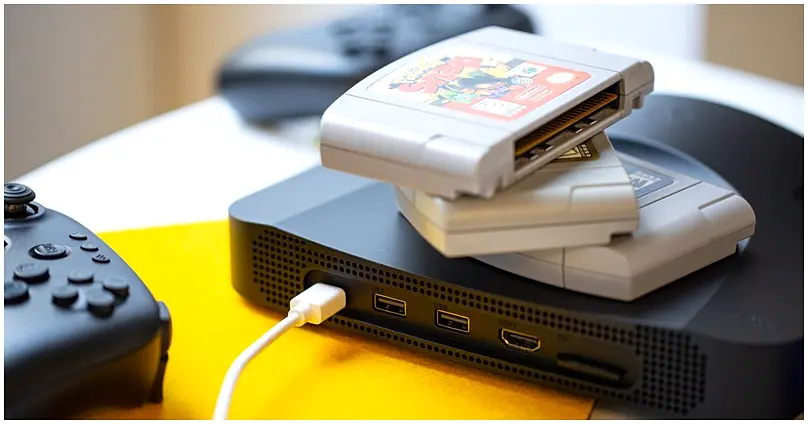
Gamers, take note. Analogue, the boutique hardware wizard known for its meticulously crafted retro console clones, has finally delivered a major firmware update for its Analogue 3D.
Version 1.3.0 is here. And it brings with it the long-awaited “Memories” feature.
Rewriting Retro Rules
For anyone who's ever cursed the archaic save systems of the Nintendo 64 era, this is a seismic shift. “Memories,” a feature first seen on the handheld Analogue Pocket, allows players to create save states at any moment during gameplay. Anywhere. Anytime. No more hunting for elusive in-game save points or dreading a power outage wiping hours of progress. Just hit a button. Poof. Progress secured.
Forget hunting for archaic in-game save points. Now, at any crucial moment, a quick button press secures your progress. Poof. Game saved. It fundamentally alters the N64 experience.
This isn't just a convenience. It's a fundamental reimagining of how N64 classics can be enjoyed on modern displays. Think of the frustration saved. The replayed levels avoided.
Analogue originally touted this capability when they first unveiled their 4K N64 clone back in October 2024. A grand promise, to be sure. Yet, it took nearly two years to materialize. And some promised features? Like screenshots? Still conspicuously absent. Another one for the “later update” pile, it seems.
Lingering Gripes Amidst Progress
While “Memories” is undeniably a win, the update isn't entirely a clean sweep. The console’s Virtual Controller Pak option, a vital component for saving when using original N64 controllers, remains unavailable. That's a significant oversight for purists who prefer authentic peripherals. A bit ironic, isn't it? One major hurdle cleared, another stubbornly remains.
Other welcome, albeit smaller, additions include better support for multi-title flash carts. Now, the console can supposedly detect game switches, creating distinct Virtual Controller Pak saves. Plus, improved HDR capabilities aim to better mimic the look of old CRT TVs on those sleek, modern OLED displays. A subtle nod to authenticity.
Analogue delivers, eventually. But the question persists: are these piecemeal updates truly fulfilling the initial, ambitious promise of a flawless retro experience, or are they merely patching over initial omissions? The enthusiast market is patient, yes, but not endlessly so. What's next on their long-term roadmap? One can only wonder.

No comments yet. Be the first to share your thoughts!