
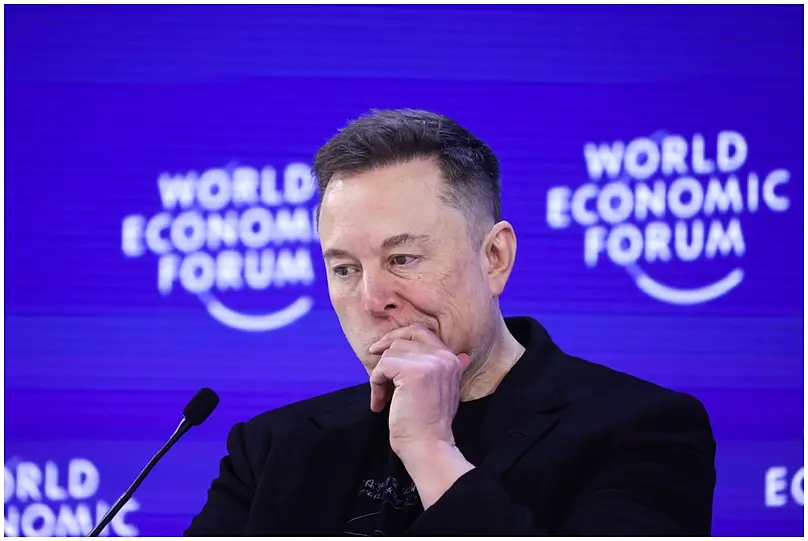
Elon Musk's legal battle against OpenAI has hit a significant snag. Nine California jurors unanimously ruled against him, declaring his sprawling lawsuit was simply filed too late.
Musk had accused Sam Altman, Greg Brockman, OpenAI, and Microsoft of essentially "stealing a charity" by morphing the frontier AI lab into a for-profit entity. But the jury never even got to the heart of those claims. Their decision hinged on a much narrower point.
Any harm Musk allegedly suffered, they found, occurred before the legal deadline to file his case. It was a procedural defeat, not necessarily a judgment on the merits of his fiery accusations.
The trial saw plenty of drama. Deep dives into OpenAI’s contentious origins. Testimony from Silicon Valley heavyweights. Yet, the legal questions that mattered were technical, focusing on when promises were supposedly made, and then broken, to Musk.
OpenAI's primary defense? A statute of limitations. They argued any actionable grievances from Musk’s side were pre-2021. The jury bought it. Deliberations were notably brief.
Judge Yvonne Gonzalez Rogers didn't hide her thoughts after the verdict. "There was a substantial amount of evidence to support the jury’s finding," she stated. "Which is why I was prepared to dismiss on the spot."
For OpenAI, this verdict clears a major hurdle. A potential restructuring, a cloud hanging over its rumored IPO, is now off the table.
"It did not take [the jury] two hours to conclude…that Mr. Musk’s lawsuit is nothing more than an after the fact contrivance that bears no relationship to reality," OpenAI’s lead attorney, Bill Savitt, declared. "They kicked it exactly where it belongs—just to the side. This lawsuit is a hypocritical attempt to sabotage a competitor."
Microsoft, also named in Musk’s suit for allegedly aiding OpenAI's breach of trust, welcomed the outcome. A spokesperson reiterated the company’s commitment "to our work with OpenAI to advance and scale AI for people and organizations around the world."
The verdict arrived mid-hearing, ironically, as lawyers debated potential damages if Musk had won. A discussion now moot. The judge had already expressed skepticism regarding the astronomical figures Musk's team floated—anywhere from $78.8 billion to $135 billion in supposed wrongful gains.
"Your analysis seems to be devoid of connection to the underlying facts," she told Dr. C. Paul Wazzan, the expert behind those estimates.
Musk’s lead counsel, Marc Toberoff, had a succinct response when reached for comment by TechCrunch: "One word: Appeal."
So, a victory for OpenAI. A setback for Musk. But given Musk's track record, expect round two.

No comments yet. Be the first to share your thoughts!