
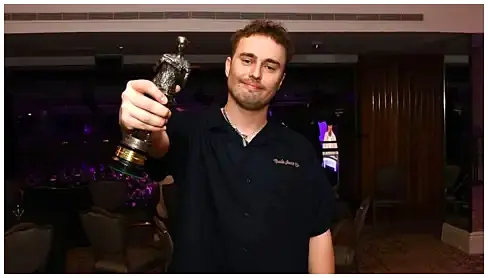
The Ivor Novello Awards, that curious British ceremony obsessed with the very bones of music – the songwriting itself – delivered its annual surprises and affirmations this year. Sam Fender, Rosalía, and Jacob Alon carved out major wins. Meanwhile, Sir Elton John accepted a rather special, decidedly British, honour.
Geordie troubadour Sam Fender scooped a coveted prize, lauded by officials as “one of the defining voices in modern British music and storytelling.” His albums, People Watching and Seventeen Going Under, have become soundtracks for a generation, full of “sharp social commentary and emotionally honest songwriting.” It was a recognition, surely, that few could dispute.
Across the channel, Catalan phenom Rosalía was crowned international songwriter of the year. A new award, fitting perhaps, for an artist who effortlessly blends genres, crafting a neo-classical, multi-lingual soundscape with her album Lux. The Ivors Academy, not known for hyperbole, declared she had “pushed the boundaries of global songwriting and experimental pop.” A high bar.
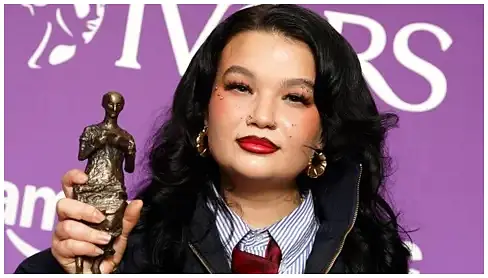
Meanwhile, Scottish alt-folk artist Jacob Alon clinched Best Song Musically and Lyrically for “Don't Fall Asleep,” besting contenders like Self Esteem and Wolf Alice. A quiet win, but significant.
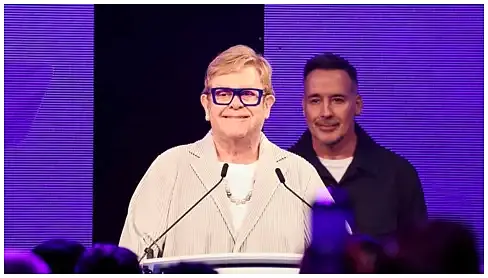
Sir Elton's big moment? He’s now the Ivors Academy's first-ever president. A ceremonial role, perhaps, but one he embraced with characteristic zeal. He'll represent a “global community of songwriters,” championing creators' rights. He also, quite rightly, highlighted British music's formidable talent pool. “We're an amazing country that produces great songwriting,” he stated. No argument there.
The elephant in the room, or rather, the algorithm in the room, was AI. Musicians and industry figures buzzed about its implications for songwriting. Sir Elton, ever the elder statesman, offered a simple, stark warning: “No matter what kind of music you write, it's yours, you own it... It came from your soul, it means a hell of a lot to you. And don't let people take it away from you, especially AI.” A clear message for an evolving industry.
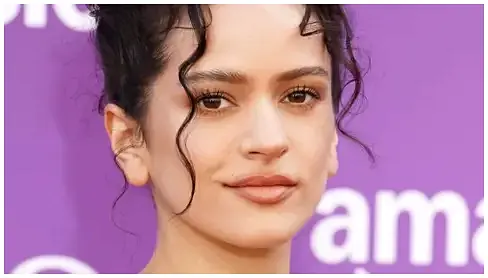
Lily Allen, returning to the limelight last year with her raw, tell-all breakup record West End Girl, secured the outstanding song collection award. The Academy lauded her “distinctive catalogues,” citing tracks like “Smile” and “LDN” as having a “lasting impact on British pop culture and songwriting.” Enduring relevance, even after a hiatus.
Jacob Alon, not content with one award, also snagged Rising Star. A dual triumph for the Scottish singer. Elsewhere, 4 Non Blondes' legend Linda Perry received the Special International award.
And then there was Calvin Harris. The DJ and producer, credited with “shaping the sound of contemporary dance and pop,” was given the Music Icon award. He’s certainly been impactful. Harris, ever the charmer, quipped about his career starting with a MySpace friend request. Remember MySpace? He also, rather sweetly, thanked his wife, Vick Hope, for “marrying me.” Some things are more important than iconic status, apparently.
But it wasn't just about accolades. Rosalía, accepting her international songwriter prize, didn't shy from a pointed observation. She used the Grosvenor House stage to advocate for more diverse voices, for recognition beyond the established, predictable circles.
No comments yet. Be the first to share your thoughts!