
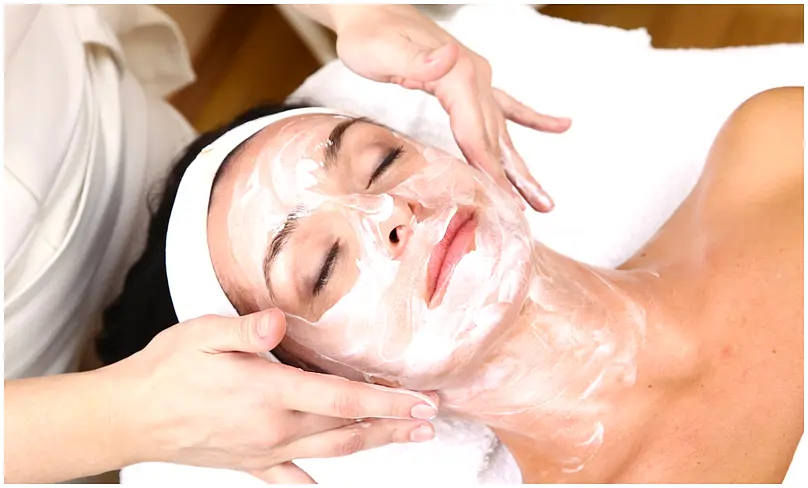
Another tech darling just joined the exclusive unicorn club. Fresha, the London-based scheduling software for beauty and wellness, announced Thursday it's now valued at a staggering $1 billion.
This new valuation follows an $80 million infusion from funds managed by investment behemoth KKR. Big money, indeed.
What's their secret? Beyond just booking appointments, Fresha has woven together software, financial services, and a marketplace. Significantly, it's all powered by embedded AI. It’s a deeply integrated system for hair salons, spas, barbers, and aestheticians worldwide.
Patrick Devine, a KKR partner, sees massive upside. "We believe the company is well positioned to continue scaling globally as demand grows for modern, vertical-specific technology solutions," he stated in a release. Scaling, for sure.
Founded in 2015 by William Zeqiri and Nicholas Miller, Fresha boasts over 130,000 businesses on its platform. They handle 35 million appointments monthly. The fresh capital? It's earmarked for global expansion and what they call "next-generation product and AI innovation."
The AI Makeover: Beyond Scheduling
Fresha’s ascent isn't happening in a vacuum. It mirrors a seismic shift across the entire beauty industry: the rise of artificial intelligence.
Late last year, industry watchers observed a full-blown "AI makeover" underway. Companies, large and small, are harnessing AI for everything imaginable. Foundation matching. Real-time consultations. Generative marketing. Even supply chain forecasting.
Consider Ulta Beauty. Their loyalty and personalization systems? Machine learning at work. Ulta’s platform devours shopper profiles, purchase histories, and store interactions. The goal: hyper-targeted recommendations. And it works. The system reportedly helped Ulta hit a 95% repurchase rate among returning customers. It also streamlined labor efficiency through automated scheduling and inventory prediction.
L’Oréal is also deep in this. CEO Nicolas Hieronimus calls their AI-driven virtual diagnostics and personalization a "revolution in augmented beauty." Millions of customer selfies are analyzed by L'Oréal's AI tools. The outcome? Instant shade and skincare recommendations.
These low-cost tools are helping smaller brands compete with enterprise players without needing large data teams or complex infrastructure.
The impact isn't limited to multinational giants. Independent beauty startups are jumping in. AI-powered assistants and shade-matching tools are their new weapons to scale operations. One company reported close to three-quarters of its orders now start with virtual try-on and consultation features. Small brands, big reach. The playing field, it seems, just got a lot more interesting.

No comments yet. Be the first to share your thoughts!