
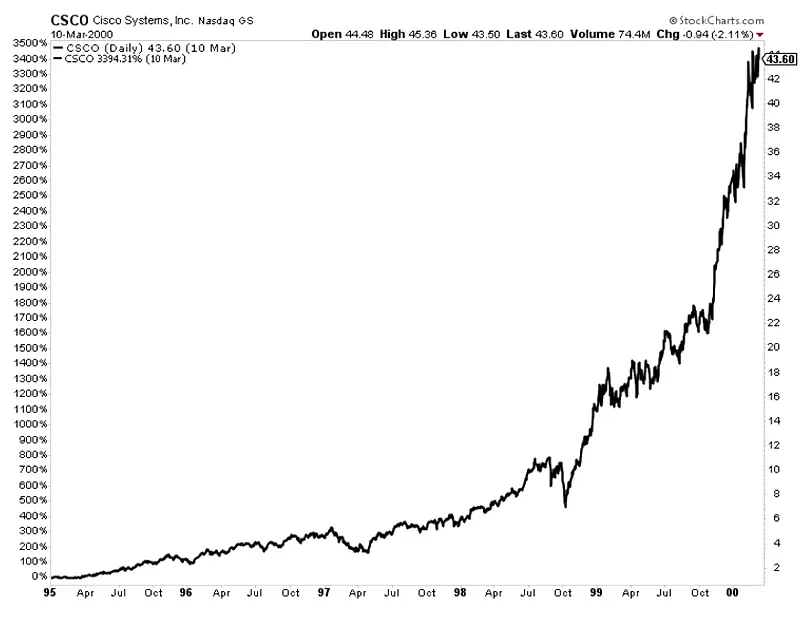
Remember the dot-com implosion? A brutal, necessary lesson for investors. Picking the next Amazon was a fool's errand. Betting on the underlying plumbing, however, that was genius. Cisco, for instance, soared. Pets.com, well, it vaporized.
That era delivered a harsh truth: infrastructure, not just innovation, builds lasting wealth. Now, a strikingly similar dynamic unfolds in the burgeoning world of artificial intelligence.
The market has, largely, grasped AI's thirst for computational muscle. What it hasn't fully processed? The sheer, insatiable appetite for resources when AI moves beyond simple chatbots and starts *working*.
The Multiplier Effect: Chatbots vs. Agents
Imagine a chatbot. You ask a question. It delivers an answer. A few hundred 'tokens'—those bits of text the AI crunches—and the interaction concludes. Minimal, efficient. But that’s just the polite exchange at the door.
Now, consider an AI agent. This isn't about answering queries. It's about achieving goals. Tell it to "Grow market share by 15% this quarter," and it springs to life. It researches. It drafts. It tests. It iterates. This isn't a conversation; it's a campaign. What starts as a simple instruction can balloon into tens of thousands of tokens, constantly engaging, adjusting, checking its own output.
AI agents can consume 20 to 30 times more physical infrastructure per task than a simple chatbot exchange. Not 20% more — 20 to 30 times more. This isn't some distant forecast; it's happening now.
We're talking about a monumental escalation. More compute, more memory, more networking, more cooling, more power, more data center capacity. This shift from casual interaction to persistent, goal-oriented operation creates what we call the "Invisible AI Tax."
The Six Tollbooths of the AI Superhighway
Every single AI model query, every agentic task, traverses a digital superhighway paved with physical infrastructure. Along this route, it passes through six critical tollbooths, each collecting its share:
First, Compute. Obvious, perhaps. GPUs, custom accelerators. Nvidia remains central, yes, but hyperscalers are building their own specialized silicon, optimizing for their specific workloads.
Next, Memory. Agents demand context. They need to 'remember' their prior actions, their current state, their next steps. The more complex the task, the larger the context window, the more high-performance memory required. A lot more.
Then, Networking. This might be the stealthiest toll. Agents talk. To databases. To tools. To other agents. That traffic needs to flow at insane speeds across chips, racks, servers, entire data centers. Switches, interconnects, optics—they become indispensable.
Thermal Management. Dense AI racks run hot. Agentic workloads, running longer and more persistently, simply generate more heat. Liquid cooling, precision systems, they’re not luxuries; they’re necessities to keep these digital brains from melting down.
Power. AI agents don't clock out. They run around the clock, across enterprises, globally. This demands grid upgrades, massive onsite power, long-term electricity contracts. Reliable baseload energy isn’t a wish list item; it’s an absolute imperative.
Finally, Real Estate. All these components, from servers to cooling units, need a home. Specialized data centers, with access to land, power, cooling, fiber. They're leasing capacity faster than they can build it.
A chatbot merely taps these six. An agent? It pounds on them. Hard.
The Bills Are Coming Due
The evidence is already stacking up. Google Cloud’s CEO, Sundar Pichai, recently disclosed their AI models chew through 16 billion tokens per minute—a 60% jump in a single quarter. Hundreds of Google clients consumed over a trillion tokens in the past year alone. A trillion, each.
Nvidia CEO Jensen Huang has been blunt: inference compute needs are already 100 times higher than initially projected. And this, he insists, is only the opening act.
Hyperscaler infrastructure spending? Exploding. AI-related memory demand? Surging. Networking targets? Soaring. Cooling backlogs? Expanding. Power companies? Signing long-term deals. Data center landlords? They're booking space as fast as they can erect it.
The companies operating these tollbooths aren't just speculating about future demand. They are reporting it, quarter after quarter, in hard numbers. The agentic multiplier is just beginning to hit its stride.
The Wrong Game
Everyone's watching the AI model race. OpenAI. Google. Anthropic. Meta. xAI. Who will win? Who will fade? It's a high-stakes, difficult game. Even the sharpest tech investors can pick wrong.
But here’s the thing: whichever model ultimately prevails, the infrastructure bill remains fixed. Every model needs compute. Every agent needs memory. Every workflow needs networking. Every rack needs cooling. Every data center needs power. Every server needs a building.
This is why the Invisible AI Tax matters so profoundly. The best-positioned infrastructure companies get paid as AI usage intensifies. And agents, make no mistake, are the accelerant.
No investment is truly risk-free. Many of these infrastructure players already command premium valuations. A sudden pause in hyperscaler capital expenditure would sting. Some emerging plays still grapple with significant execution risks. But these are timing and sizing concerns, not fundamental flaws in the thesis.
Most investors are fixated on picking the winner of the AI race. That’s the wrong game entirely. Because the winner, whoever they may be, still has to run the road. And the AI road? It has a toll. The companies collecting that toll? They get paid, regardless of who crosses the finish line first.
The next phase of the AI boom isn't about proving AI works. It's about paying to run it. At scale. That’s where the smart money is already positioned.


No comments yet. Be the first to share your thoughts!