
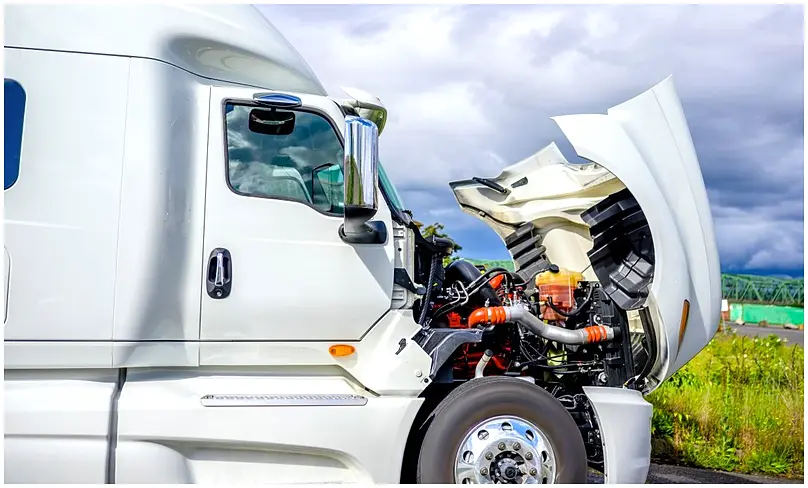
A truck breaks down. The immediate repair bill? Often the least of the worries. Suddenly, a delivery is late. A driver is stranded, miles from anywhere. Towing costs balloon. The customer is on the phone. Chaos.
This isn't just an inconvenience; it's an economic hemorrhage. The American Transportation Research Institute pegs the industry-wide toll at over $25 billion annually. Lost productivity. Staggering numbers. A single roadside incident can easily run $450 to $760 just for direct fixes, before tow trucks, replacement rentals, or lost revenue even enter the ledger. For years, fleet operators simply absorbed these losses. A fixed cost of doing business, they sighed.
The Data Deluge Meets Machine Intelligence
That calculus is changing. Rapidly. The catalyst? Artificial intelligence-driven predictive maintenance.
Commercial trucks, it turns out, are data goldmines. Each heavy-duty rig spits out more than 25,000 data points daily. Engine temperature. Oil pressure. Brake wear. Fuel consumption. The works. For ages, most of this valuable information just... sat there. Trapped in disconnected maintenance systems. Fleet managers, by and large, learned about problems only when a truck ground to a halt. Not before.
AI flips the script. Machine learning systems gobble up real-time sensor readings. They digest historical repair records. Then, they identify the precise combination of signals that typically precede a specific failure. Often, weeks in advance. The output isn't a spreadsheet of raw data. It’s a concrete directive: this truck, this component, needs service. And here’s a window that fits the route. Repairs transform from urgent roadside emergencies into meticulously planned shop visits.
“Many fleets are over-maintaining their trucks, driving unnecessary cost.”
The potential savings are considerable. McKinsey estimates AI-driven predictive maintenance could slash maintenance costs by 10% to 40%. Downtime? Cut by up to 50%. Serious money.
Industry giants are already on board. Volvo Trucks North America, for instance, rolled out AI-powered adaptive maintenance as part of its Blue Service Contract late last year. Say goodbye to rigid service schedules. Intervals now adjust dynamically. Based on how each truck truly operates: fuel burn, idle time, oil condition. It’s personalized care for heavy machinery.
Magnus Gustafson, Vice President of Connected Services at Volvo Trucks North America, isn't shy about it. He contends many fleets are simply over-maintaining their vehicles, bleeding cash unnecessarily. “Applying AI to optimize maintenance intervals based on truck specs, operating conditions and actual use ensures our customers can maximize uptime,” Gustafson stated.
Volvo's Uptime Center in Greensboro, North Carolina, actively monitors nearly 85,000 connected trucks across Europe. Specialists pore over AI-generated alerts. They coordinate service visits. All before a breakdown even has a chance to happen. In fact, Volvo and Mack Trucks have already developed connected systems that reduce diagnostic time by a whopping 70% and cut repair time by a quarter.
The Tight Squeeze and the Path Forward
This technological pivot couldn't arrive at a more opportune, or perhaps desperate, moment. The trucking sector faces a squeeze. ATRI’s 2025 report revealed non-fuel operating expenses climbed 3.6% in 2024. Highest level ever. Average operating margins? Below 2% across most segments. Parts and labor costs alone spiked over 10% year-over-year, according to Fleetio strategist Stefano Daneri. Fleets, trying to dodge new vehicle replacement costs, are holding onto their trucks longer. But that strategy carries a growing, hidden burden: more downtime.
Capital is flowing toward the solution. PYMNTS Intelligence found 89% of fleet firms tapped external working capital solutions in 2024. Much of it funneled into digital fleet management platforms and AI tools. The payoff? Top performers saw an average of $15.6 million in bottom-line benefits. Hard to ignore.
Yet, a significant hurdle remains. Data infrastructure. Many carriers still run on legacy systems. Disconnected. Patchy. These setups prevent AI models from accessing the comprehensive maintenance history they absolutely need for accurate predictions. A fundamental roadblock.
ATRI reported a slight uptick in miles traveled between breakdowns in 2024—from 37,700 to 38,249. A small win, credited to preventive maintenance. Can AI push that number much higher? It hinges entirely on how quickly, and decisively, these fleets bridge that persistent data gap. The future of trucking, it seems, rides on it.



No comments yet. Be the first to share your thoughts!