
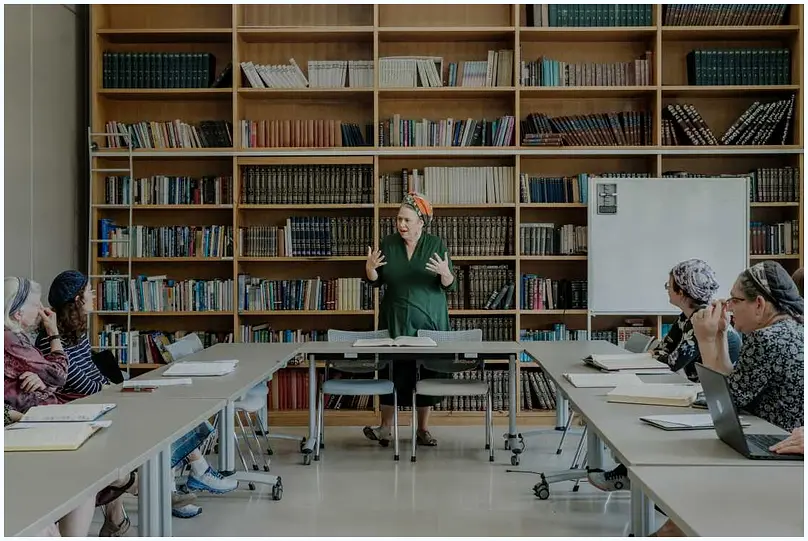
In a nation often defined by its religious bedrock, a quiet revolution is unfolding within the hallowed, traditionally male, halls of Orthodox Jewish scholarship. After years of contentious legal battles, Israel’s supreme religious authorities have finally conceded: women can now sit for the official rabbinic examinations. It’s a seismic shift, yet one met with lingering resistance.
For generations, the path to becoming an officially ordained Orthodox rabbi in Israel has been clear, albeit arduous. Pass a battery of grueling exams. And, crucially, be a man. This long-held exclusivity, deeply ingrained in the Orthodox establishment, is now facing unprecedented challenges from within its own ranks.
While official ordination for women remains off the table—at least for now—the mere act of opening these gates could redefine leadership roles. Imagine: women qualified for public service positions, running state-funded religious services. Advocates are calling it a profound milestone, a vital expansion of women’s influence as experts in Jewish religious law.
The Long Road to Recognition
“Women need to be part of the world of Torah,” declared Dr. Ruth Agiv, a 44-year-old dentist who found herself among the first pioneering trio of Orthodox women to tackle these exams in April. “We should not need to be outside. It belongs to us.”
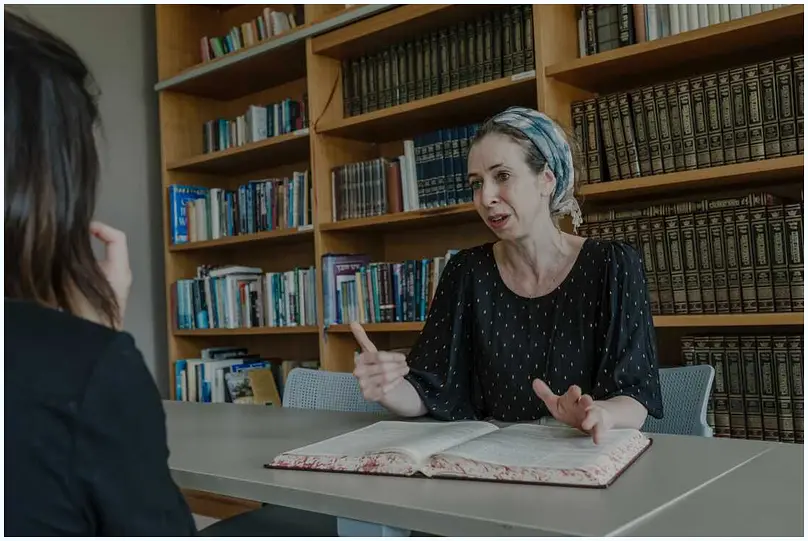
Dr. Agiv and her two fellow trailblazers recently emerged from a nearly six-hour rabbinic examination. The test? Their command of Jewish religious laws concerning mourning. Outside Israel's Ministry of Religious Affairs in Jerusalem, a small, beaming contingent awaited them: their female religious teachers, bouquets in hand, voices raised in song.
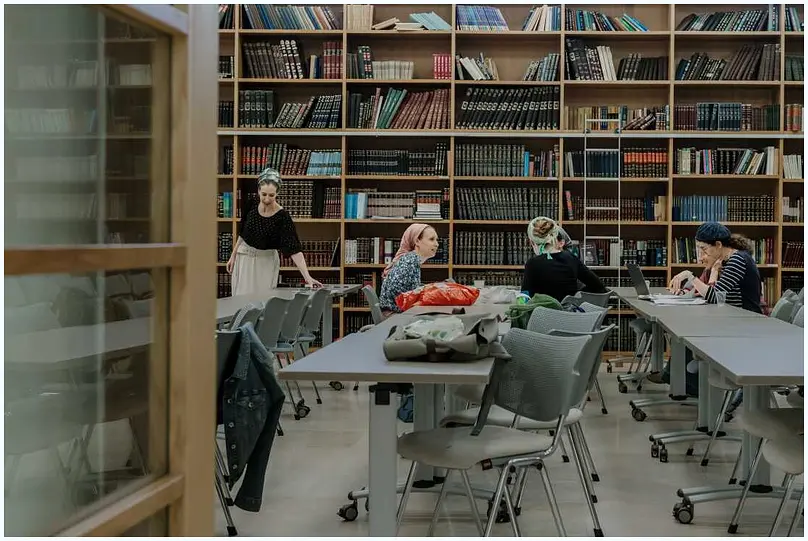
“In Israel, we broke the glass ceiling of learning,” noted Rabbanit Batya Krauss, one of those teachers. She uses “rabbanit,” the feminine iteration of “rabbi,” to describe her role. Krauss teaches at Matan, an institute dedicated to advanced Jewish religious scholarship for Orthodox women. Such institutions are a relatively new phenomenon, challenging centuries of male dominance in this intellectual arena.
Once upon a time, women seeking advanced religious study faced an almost insurmountable barrier. “When a woman wanted to learn in the olden days, she had to hide,” Krauss recalled, referencing the enduring tale of Yentl, the fictional young woman who famously donned male disguise to study Talmud. The modern era, however, is slowly, grudgingly, accepting a different narrative.
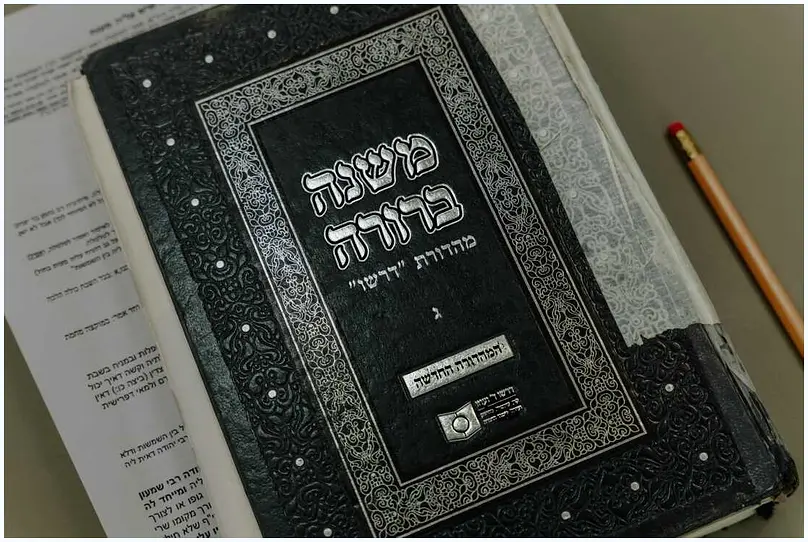
Orthodoxy, by its very nature, changes at a glacial pace. But the world, as Krauss observes, is hurtling forward at warp speed. While liberal streams of Judaism in the U.S. and Israel embraced female rabbis decades ago, the Orthodox world largely dug in its heels. Until now.
The catalyst for this shift? An American-born Orthodox rabbi named Seth Farber, director of the Jewish advocacy group ITIM. His organization, whose name means “Passages” in Hebrew, began lobbying fiercely on behalf of women. Farber attempted to engage with Israel’s religious officialdom, only to be met with outright defiance.
“Over my dead body will women ever study texts like this. These texts were not meant for women.”
That was the unequivocal pronouncement from the director general of Israel's Ministry of Religious Affairs six years ago, as recounted by Farber himself. ITIM filed a lawsuit, which eventually landed before the Israeli Supreme Court. The court, in a landmark decision, sided with the women, commanding the state to open the exams to them.

Resistance and Lingering Questions
The Rabbinate, however, proved a master of delay. In a statement issued late last year, Israel's chief rabbis expressed “deep regret” over the Supreme Court’s “interference in topics carrying implications in Jewish religious law.” Their stated mission? “Safeguarding the Jewish character of the State of Israel and preserving the traditions passed down through generations.”
Following the court’s ruling, the rabbinic authorities simply refused to administer the exams to *anyone*—men or women—for over six months. “The rabbinate said we'd rather not give exams to men than give exams to anybody,” Farber explained. ITIM returned to court. Another order, another compliance: in April, the first women finally entered the exam room.
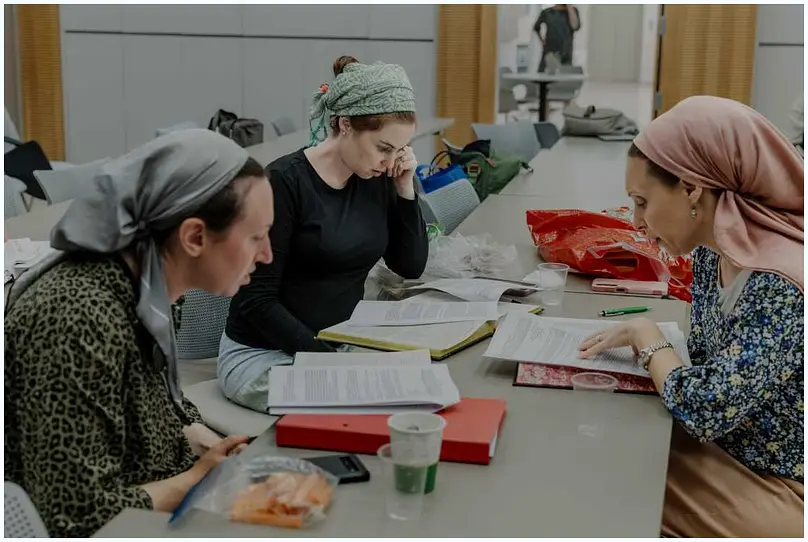
The court even ordered Israel’s religious authorities to compensate ITIM for court fees, a sum equivalent to roughly $5,000. Yet, the delaying tactics persist. A second test, slated for July, has been inexplicably postponed by several months, with no official explanation forthcoming from the Chief Rabbinate.
This latest delay raises serious questions about the Rabbinate's genuine commitment to implementing the Supreme Court's mandate. “The momentum toward recognizing women's Torah scholarship is irreversible,” Farber asserted. “The question now is whether the Rabbinate will choose to lead that process responsibly or continue resisting a reality that Israeli society and the courts have already acknowledged.”
Farber himself is an Orthodox rabbi, a direct descendant of the renowned 19th-century Rabbi Moses Sofer, known as the Chatam Sofer—a figure often credited with founding ultra-Orthodoxy, a movement built on resisting modernization. He muses on his ancestor's likely reaction.
“I'm sure he's not looking down from his seat in the heavenly kingdom and feeling comfortable about what his great-great-great-grandson has done in one sense,” Farber conceded. “But maybe he is, because times have changed.”
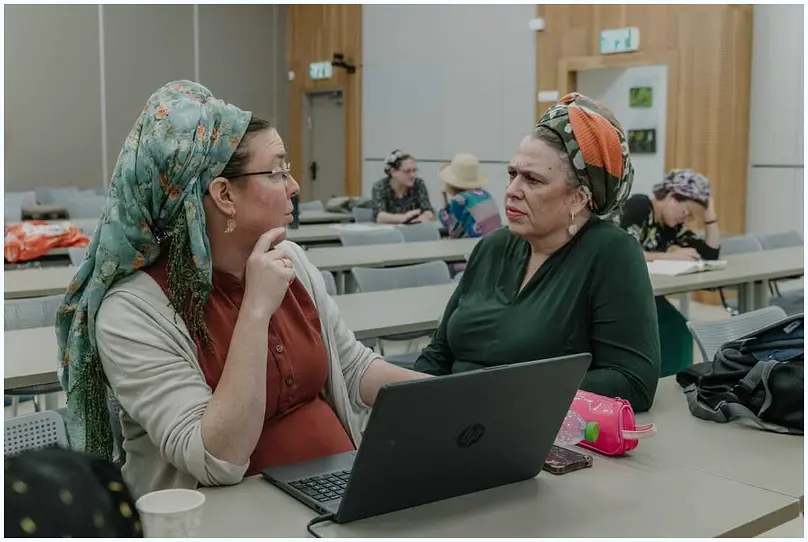
For the women who took the exam, the immediate goal isn't necessarily a formal rabbinic title. It's about knowledge. Authority. Dr. Ruth Agiv seeks recognition as a learned authority, a guide who can offer women the religious counsel they historically sought from men. It’s a long journey, she admits, one just beginning.
“I am also at the beginning of the path. This was the first test,” she said. “I still have a lot, a lot, a lot to learn.” The tests continue. The resistance, too. But the silence, at least, is broken.



No comments yet. Be the first to share your thoughts!