
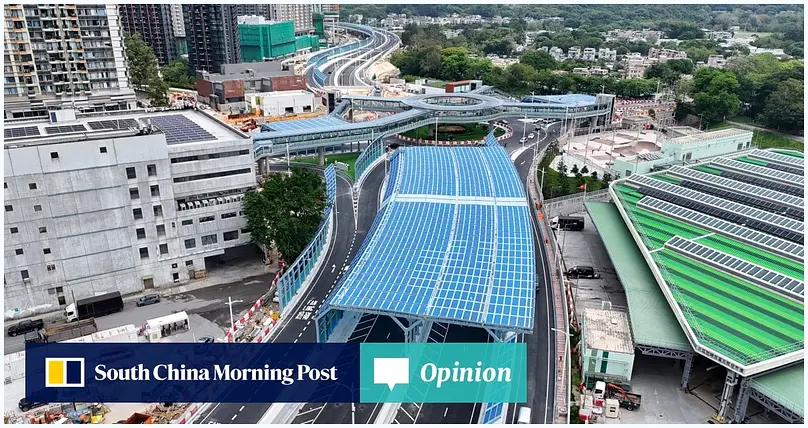
Hong Kong is in motion. Always has been. Yet, the current epoch of urban transformation feels particularly profound, an intricate dance of demolition and genesis reshaping the very fabric of the metropolis. From the ambitious mixed-use districts sprouting around Kai Tak to the thoughtful revitalization of Victoria Harbour's dual waterfronts, the city is shedding old skin, embracing new forms. New rail lines burrow beneath bustling streets; vehicular bypasses emerge. Even forgotten nooks find purpose again, infused with art, culture, new life. It’s a city that never really settles.
Take the East Coast Boardwalk. A perfect example. This once-neglected stretch beneath the Island Eastern Corridor? Now a vital pedestrian artery. It links Fortress Hill to Quarry Bay, a ribbon for joggers, cyclists, and casual strollers alike. Creating public space from nothing. That's the essence of truly human-centric design, though such opportunities are, admittedly, rare in a city as developed as this.
Sometimes, these shifts are micro-scale. Quiet. Confined to niche neighborhoods. But don't mistake small for insignificant. These incremental improvements accumulate. They build. Their collective resonance pushes the city forward, creating an undeniable positive tide.
The Northern Metropolis: A Twenty-Year Vision
Then there’s the behemoth. The Northern Metropolis. This isn't just another project; it’s a twenty-year odyssey covering some 3,000 hectares. A staggering undertaking. Without question, it stands as the most ambitious urbanisation challenge Hong Kong has faced since the sprawling new town developments of the 1970s. A gamble? Perhaps. A necessity? Absolutely.
The Northern Metropolis – a twenty-year odyssey covering some 3,000 hectares – represents the most ambitious urbanisation challenge since Hong Kong's 1970s new town boom. That's no small feat.
Globally, such mega-transformations aren't unprecedented. Shanghai’s Pudong financial district, for instance. Once merely farmlands east of the Huangpu River. Or Yokohama, a collection of fishing villages that modernized into Japan's second-largest city, a key economic force in Greater Tokyo. Even Brooklyn, New York's gritty industrial heartland, transcended its past, emerging as a hip, artistic, and culturally rich borough that dramatically enhanced the entire city's appeal.
Today, urban planning transcends mere shelter and transport. It's more than just roads and amenities. Cities must become chameleons, constantly adapting to dizzying population growth, relentless technological leaps, shifting lifestyles, and an insatiable demand for better services. Hong Kong knows this better than most. The question isn't whether it will change, but what it will become next. And who exactly will shape that future.

No comments yet. Be the first to share your thoughts!