

A political earthquake just hit Dakar. Sunday saw the speaker of Senegal’s parliament announce his resignation, a mere two days after his powerful ally was unceremoniously dismissed as prime minister. This isn't just a reshuffle; it's a rapidly deepening crisis in a West African country already grappling with significant debt.
El Malick Ndiaye, the now-former speaker, cleared the stage. His strategic exit opens the door for Ousmane Sonko, the recently ousted premier, to possibly reclaim a position of immense influence: head of parliament. Sonko’s Pastef party commands a significant majority there. A direct challenge to President Bassirou Diomaye Faye? Absolutely.
Deputies have already been called. A full assembly session is scheduled for Tuesday morning. Their agenda: reinstate Sonko as a member of parliament, then vote for a new speaker. The official document confirming this dropped late Sunday, a clear signal of the political maneuverings underway.
This entire saga threatens to derail President Faye’s reform agenda. He fired Sonko, his one-time ally, just last Friday. Months of simmering tensions had finally boiled over.
Faye, in many ways, owes his presidency to Sonko. Sonko, barred from running himself due to a defamation conviction, almost certainly would have won the top job. Their Pastef party swept the 2024 elections on an electrifying platform: profound political change, an aggressive fight against corruption, and a promise to fix an economy drowning in debt.
Sonko, a firebrand, had captivated Senegal’s disaffected youth. He built a passionate following before the 2024 presidential election. Despite that widespread appeal, Faye, as president, wielded the ultimate power.
But the political marriage soured. Quickly. Relations between Faye and his former mentor became strained, then openly hostile. Their governing alliance? It just crumbled.
Sonko, once a quiet supporter, became a vocal critic. He publicly accused Faye of a “failure of leadership.” Why? For not standing by him against his detractors. Sonko also frequently lambasted what he considered the sluggish pace of corruption investigations targeting high-profile figures from the previous administration under ex-president Macky Sall.
And, of course, they clashed on Senegal's enormous debt. A fundamental policy disagreement. A ticking time bomb.
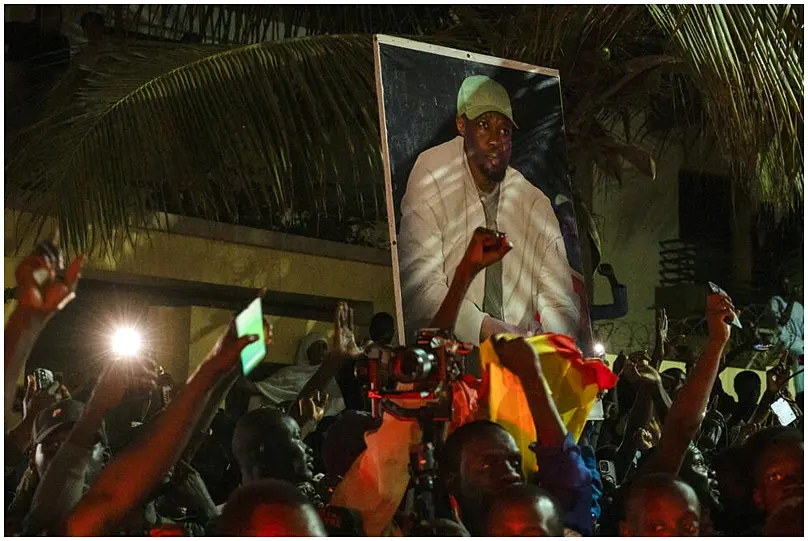
Hours after Sonko’s dismissal, hundreds of his supporters massed outside his Dakar home. A powerful show of loyalty. Sonko remains the uncontested leader of Pastef, the party with that formidable parliamentary majority.
Sonko's departure as premier raises a disquieting question: How can President Faye truly govern when he cannot guarantee the support of his own ruling party?
Babacar Ndiaye, research director at the West African Think Tank (WATHI), didn’t mince words. “One can imagine that it is going to be complicated to cohabit with this majority of the Pastef party in the Assembly.”
“It will be complicated to coexist with the Pastef party's parliamentary majority. The president faces a stark choice, and the deputies, if they choose, hold the power to bring down his government.”
Faye must now appoint a new prime minister. That choice, however, isn't unilateral. Parliament must approve it within three months. Ndiaye’s warning lingers. “If the deputies decide to table a motion of censure or no confidence, they are capable of doing so.”
The president lacks one key weapon: he cannot dissolve parliament until November. That’s two years after the last parliamentary election. His hands are tied, for now.
And the plot thickens. A recent reform of the electoral code, approved by parliament just weeks ago, has made Sonko eligible for the presidency once more. This isn't just a political spat; it's a potential clash of titans. The two former allies, who once elevated each other, might very well face off for the nation’s highest office. The stage is set. The future, uncertain.



No comments yet. Be the first to share your thoughts!