
A chilling image from 2014: a Golden Dawn supporter in Athens, arm raised in a Nazi-style salute. A stark reminder that certain political ghosts never quite vanish. On Saturday, London braces for another kind of spectacle. Thousands of anti-immigration protesters, rallying under the banner “Unite the Kingdom,” will march through its streets.
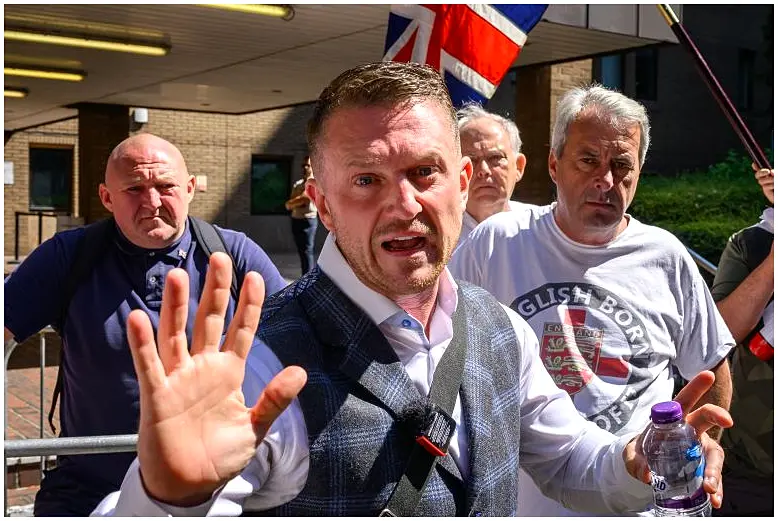
Leading them? Stephen Yaxley-Lennon, better known as Tommy Robinson. A combative Luton-born figure. An anti-Islam activist, he rejects the “far right” label. He calls himself a patriot. A defender of free speech.
His supporters echo the sentiment. Their banners often read, “We’re not far right, just right.” But those who study such movements, like academics and organizations such as HOPE not hate, tell a different story. They argue it’s not just about Robinson. It’s about the term itself.
“Far right” isn’t a precise classification. Its meaning morphs. And that ambiguity? Figures like Robinson exploit it.
Using the label carelessly, experts warn, risks normalizing what it describes. When those who truly fit the scholarly definition successfully shrug off the tag, their politics appear softer. More palatable. A dangerous illusion. The modern struggle with “far right” has deeper European roots.
A Political Earthquake: France, 1984
June 17, 1984. European election results flashed across television screens. The commentary shifted. From routine. To disbelief. Returns poured in from France. They defied every expectation, especially for one party.
The National Front (FN), led by Jean-Marie Le Pen. A former paratrooper. Widely called

No comments yet. Be the first to share your thoughts!