
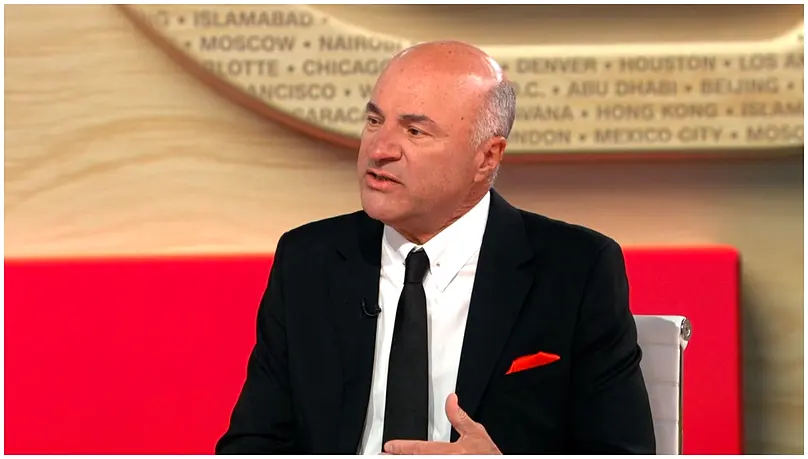
The financial world holds its breath. A prominent voice from 'Shark Tank' recently dropped a bombshell: small banks won't survive the next two years. A stark prediction, yes. But one that resonates with the swirling anxieties gripping markets, even as some titans of finance report eye-popping profits.
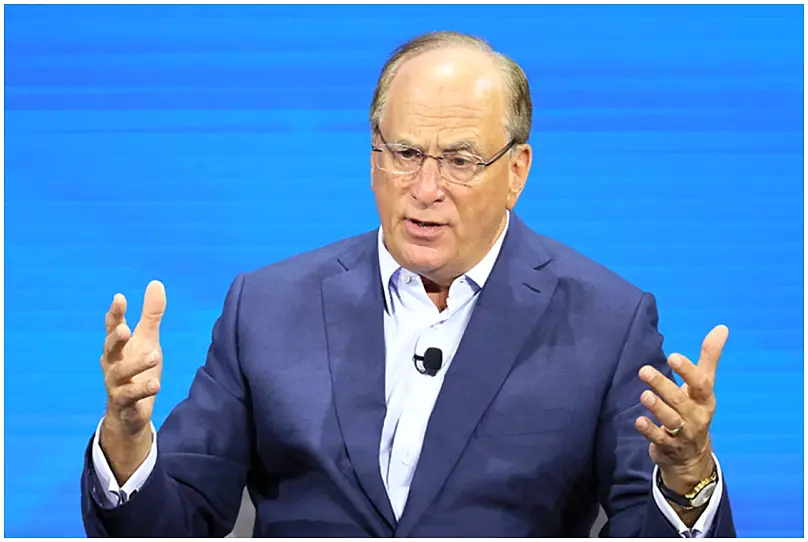
Consider BlackRock, the behemoth of asset management. Its CEO, Larry Fink, saw his pay slashed by a hefty 30% to $25.2 million for 2022. A significant cut. This wasn't some isolated anomaly. It reflected a 10% dip in first-quarter revenue, a direct hit from rising interest rates and the pervasive economic uncertainty that has everyone on edge. BlackRock’s leadership, it seems, opted to concentrate the pain at the top. Rob Kapito, the firm's president, also took a 34% reduction in his compensation, down to $18.95 million. Not exactly small change, but a clear signal of tougher times.
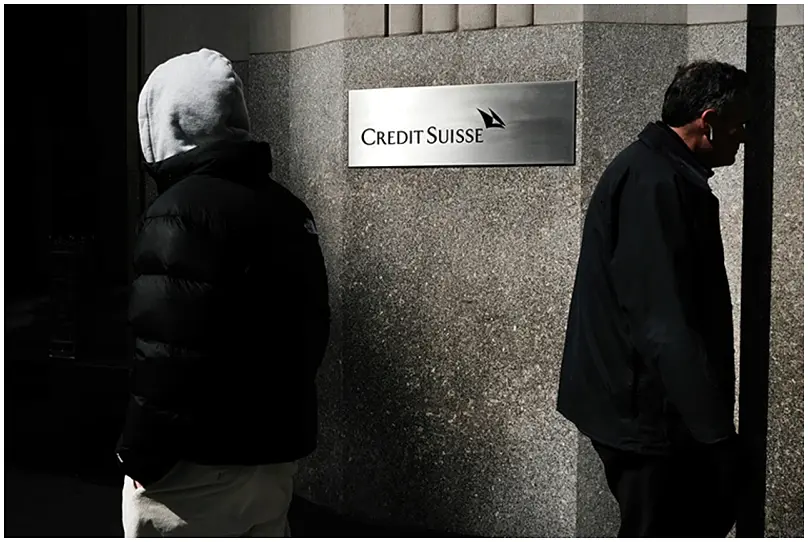
Meanwhile, the chaos that engulfed Credit Suisse found a resolution. The Federal Reserve, on Friday, gave its blessing to UBS's acquisition of the troubled Swiss lender's US subsidiaries. This move, a month after UBS first stepped in, aims to prevent further contagion in a financial sector already reeling.
Credit Suisse's woes began when its largest backer, the Saudi National Bank, refused to inject more cash. Then came the devastating collapses of Silicon Valley Bank and Signature Bank, sending shockwaves of fear through depositors. Billions flowed out. UBS is now shelling out 3 billion Swiss francs, or $3.25 billion, for the salvaged remains.
Yet, amidst this instability, an odd paradox emerged. Major US banks reported stellar first-quarter earnings. JPMorgan Chase, Citigroup, Wells Fargo, and PNC Financial all crushed expectations. Their secret? The Federal Reserve's relentless interest rate hiking campaign. Higher rates mean fatter margins for big lenders. But this very boon for some could be a bane for the broader economy.
Jamie Dimon, the formidable CEO of JPMorgan Chase, issued a stark warning on his company's post-earnings call: be ready for rates to stay higher, for longer. Wall Street, it appears, listened. Analysts now anticipate a quarter-point hike in May, perhaps another in June.
Federal Reserve Governor Christopher Waller underscored the need for continued tightening. Austan Goolsbee, president of the Federal Reserve Bank of Chicago, went further. He conceded a

No comments yet. Be the first to share your thoughts!