
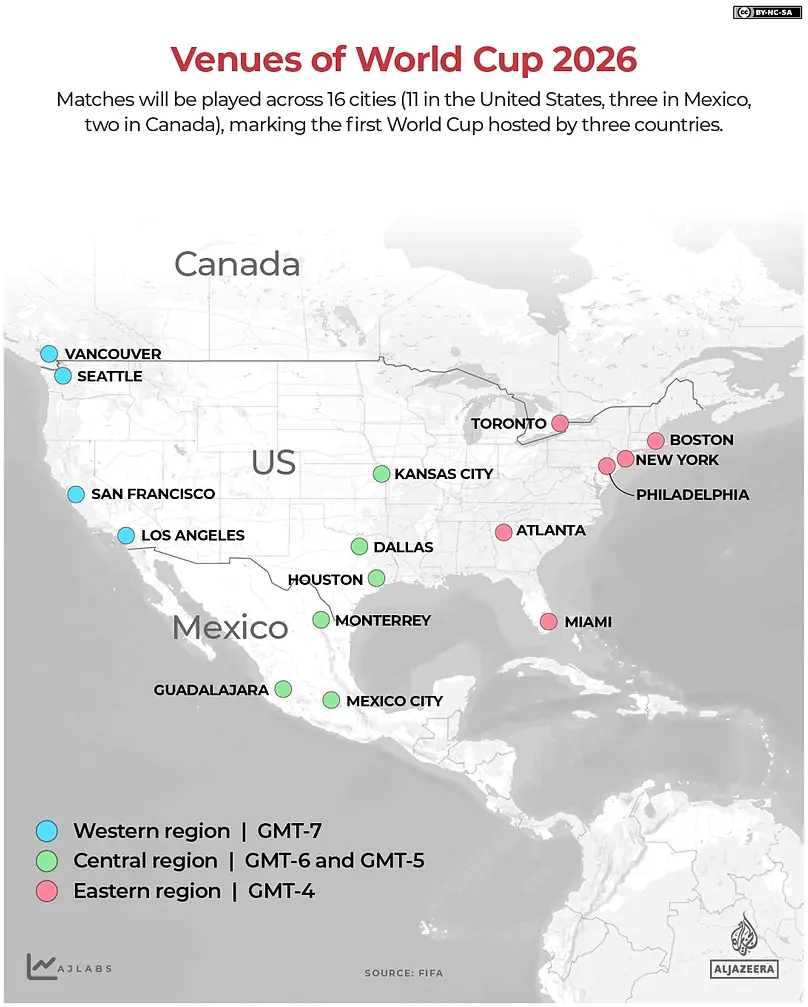
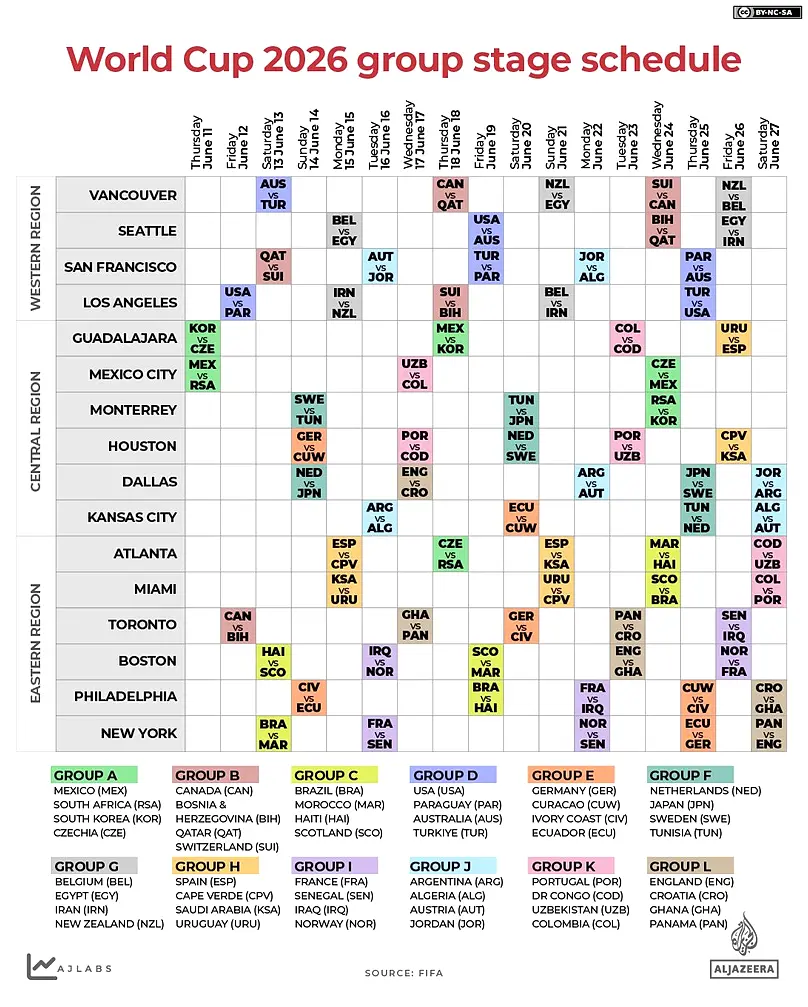
The drumbeat of the World Cup grows louder. With kickoff just weeks away on June 11, teams scramble to finalize their rosters. They're mapping out crucial last-minute preparations before converging on the United States, Mexico, and Canada.
Forty-eight teams. Expanded rosters. The attention now shifts from player selection to logistics. Friendly matches, final training sessions. The host nations' hospitality sector, too, buzzes with activity, meticulously laying the groundwork for the global footballing spectacle.
The Strategic Significance of Base Camps
So, what exactly is a base camp? It's more than just a hotel. This is a participant nation's chosen fortress: a primary location for pre-tournament training, acclimatization, and their entire group-stage stay. It houses everything. Accommodation. Practice pitches. Gyms. Recovery facilities. Performance evaluation centers. Every conceivable need for a top-tier squad.
The three host nations hold a distinct advantage. Think climate acclimatization. Roaring home crowds. Fewer logistical headaches. Forty-five other countries face international travel, time zone shifts, and the arduous task of adjusting to unfamiliar local conditions.
Every one of the 48 teams has hand-picked a location from a FIFA-approved catalog. These choices align with their specific requirements and, crucially, the locations of their group-stage fixtures. The selections are a mix: local sports complexes, sprawling university facilities, even luxury hotels. They'll serve until June 27, when the group stage concludes. The 32 teams moving on to the knockouts then face a choice: extend their current stay or relocate closer to their next match venue. Strategic decisions, indeed.
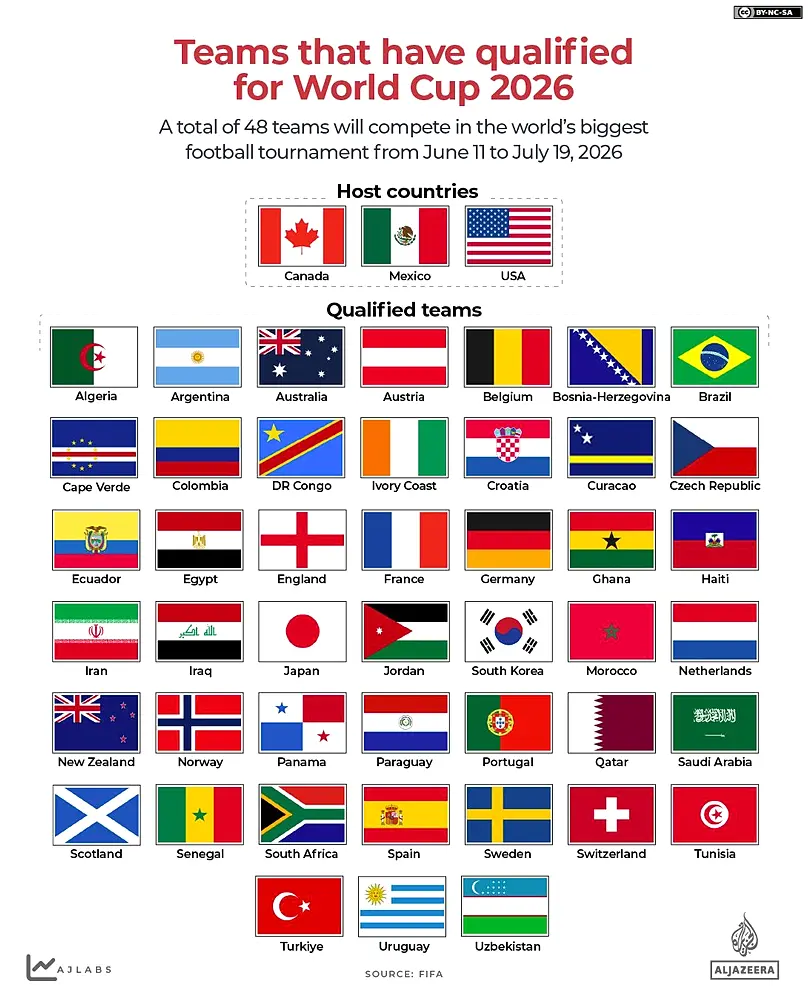
Consider Argentina. The defending champions have made Kansas their home. Why? Proximity to Kansas City Stadium, where they open against Algeria. Their setup in Missouri, less than 20 minutes from a training center boasting five elite pitches and a performance lab, is serious business. Heightened security. Custom facilities at their hotel. Memories of Qatar 2022 linger, where the eventual champions famously cooked traditional barbecue at Qatar University. Argentina faces Algeria, then Jordan and Austria in Dallas.
Australia, the Socceroos, anchor in Northern California. After a Florida camp and an LA friendly, they settle in. Austria heads to the University of California at Santa Barbara, a facility that regularly hosts US national teams. They'll hit the West Coast early June, ready for action.
Bosnia, returning to the World Cup after a decade, picked St. Louis. Intriguing, given none of their matches are there. But St. Louis? It's home to the largest Bosnian population outside Europe. A sentimental choice, perhaps, or a calculated move for home-away-from-home support. They even have a friendly against Panama scheduled there.
Iran’s World Cup saga? A political football, indeed. FIFA insists the team will play, but US President Donald Trump publicly questioned their safety within the country. Tucson, meanwhile, simply prepared to "welcome them with open arms".
Brazil, the five-time world champions, chose the Big Apple. They'll train in neighboring New Jersey, at the state-of-the-art facility used by MLS's New York Red Bulls. Canada, leveraging its host nation status, is based in Vancouver, playing two of its three group stage matches there. Vancouver itself will host seven of the 104 tournament games.
Croatia, podium finishers in 2022, arrive as dark horses. Their base camp is in Virginia, far from their group-stage venues. Curacao, a nation of roughly 150,000, joins fellow debutants Cape Verde in Florida. They're looking to make a splash.
DR Congo returns after 1974, when they were known as Zaire. Houston is their chosen base, a multipurpose sports facility home to MLS club Houston Dynamo FC. England, along with Argentina, has chosen Kansas City, Missouri. Harry Kane's side will be roughly 20 minutes from their training center. Three's a crowd, they say, but maybe it's just efficient.
France, two-time champions and top favorites, picked Boston. Bentley University will host them, courses continuing without interruption. Additional security is guaranteed. Germany, four-time champions, settled on Wake Forest University, known for one of the US's best collegiate football facilities. Privacy was paramount, mimicking their home ground in Herzogenaurach. No public access, the university organizing committee has stated.
Mexico, gearing up to host its third World Cup, has chosen its capital as a base camp. The Centro de Alto Rendimiento, conveniently 15 minutes from the iconic Azteca Stadium, doubles as the team's accommodation. A roaring home crowd and zero logistical hurdles are bonuses. But their biggest edge? Acclimatization to high-altitude conditions, a challenge many others simply won't match.
The Netherlands will train at the KC Current Training Centre, the first purpose-built facility for a women's professional sports team in the US. Their famous orange double-decker bus, a national treasure, might make an appearance. New Zealand, returning for the first time since 2010, joins Switzerland in San Diego.
Saudi Arabia, who will host the 2034 World Cup, trains at Austin FC's home. Their best outing was their 1994 debut in the US, reaching the Round of 16. Spain, the world's number one team, will plant themselves in Chattanooga, Tennessee, at the elite private Baylor School. Ten-foot blackout fences are being added for privacy.
The US hosts, nestled in Irvine at the retired military airbase Great Park, are ready. Their Soccer Sporting Director, Matt Crocker, calls the facilities "simply outstanding." A perfect environment. Uzbekistan, debutants, will test run Atlanta's new football home. Before that, they'll play a string of closed-door friendlies. The world awaits. Expect the unexpected. It always delivers.

No comments yet. Be the first to share your thoughts!